


Zoete aardappel kruiden: welke smaken passen er het beste bij?
Welke kruiden passen bij zoete aardappel? Warme en pittige smaken zoals ras el hanout, komijn, paprika en tijm, per bereiding uitgelegd voor oven, puree en tajine.


Quick answer
You can add flavour to food without salt using cumin powder, smoked paprika, turmeric, sumac, garlic, parsley and black pepper. First taste to see what is missing: sourness, smoke, heat or aroma, and then choose that one spice. Moroccan Spicy Secrets, an Antwerp-based spice brand, also blends these flavours in its mixes.
 5 Chinese spices
As a child, I noticed that delicious food at home rarely revolved around a single spice. There was always something warm, something fresh at the end, and something that gave the pan a deeper colour. Salt was part of it, but it was never the only reason a dish tasted good.
That is what this article is about. Many people want to use less salt and then notice that their soup, chicken or vegetables suddenly taste bland. Usually, it is not salt that is missing, but something else: sourness, smoke, heat or aroma. If you know that, you can choose deliberately instead of randomly throwing extra spices into the pan.
I will go through the seven spices below one by one, with the dish they work best in and the moment you add them. Then I will look at ready-made mixes, because at Moroccan Spicy Secrets we blend the spices and you just serve the dish. A quick note beforehand: if you are limiting salt for medical reasons, ask your doctor or dietitian for advice.
Food without salt often tastes bland because salt enhances flavour, while the other sources of flavour (sourness, smoke, warmth and aroma) are not picked up anywhere. So you are not only omitting salt, you are also missing what normally gives the dish depth and excitement.
That is why you are not looking for a single spice to replace salt. For each dish, choose which of those four is missing. A soup may lack aroma, a piece of chicken smoke, a salad sourness and a pan of vegetables heat.
A simple way of thinking helps. Taste before you add anything and ask yourself what is missing. If it tastes neither sharp nor fresh, it lacks sourness. If it tastes thin and flat, it lacks depth. If it tastes boring but not bad, it lacks heat. Only then choose a spice that brings that one thing, so you do not randomly throw extra spices into the pan.
Also pay attention to ready-made mixes: many already contain salt. Always read the ingredients list of the exact mix on the product page or packaging before deciding if you need to add anything else.
The seven spices that provide the most flavour without salt are cumin powder, smoked paprika, turmeric, sumac, garlic, parsley and black pepper. Each does a different job: warmth, smoke, colour, sourness, heat, freshness or heat. Choose the spice that suits each dish.
If you only have one place to start, take cumin powder in a dish with minced meat or legumes. You will immediately notice what a warm spice does for the whole pan.
 Za'atar
Dry spices such as cumin, turmeric and paprika are fried early with oil for about 30 seconds before any moisture is added. This releases the aroma. Do not let them burn: as soon as they smell bitter, the pan is too hot. Then lower the heat or add some moisture.
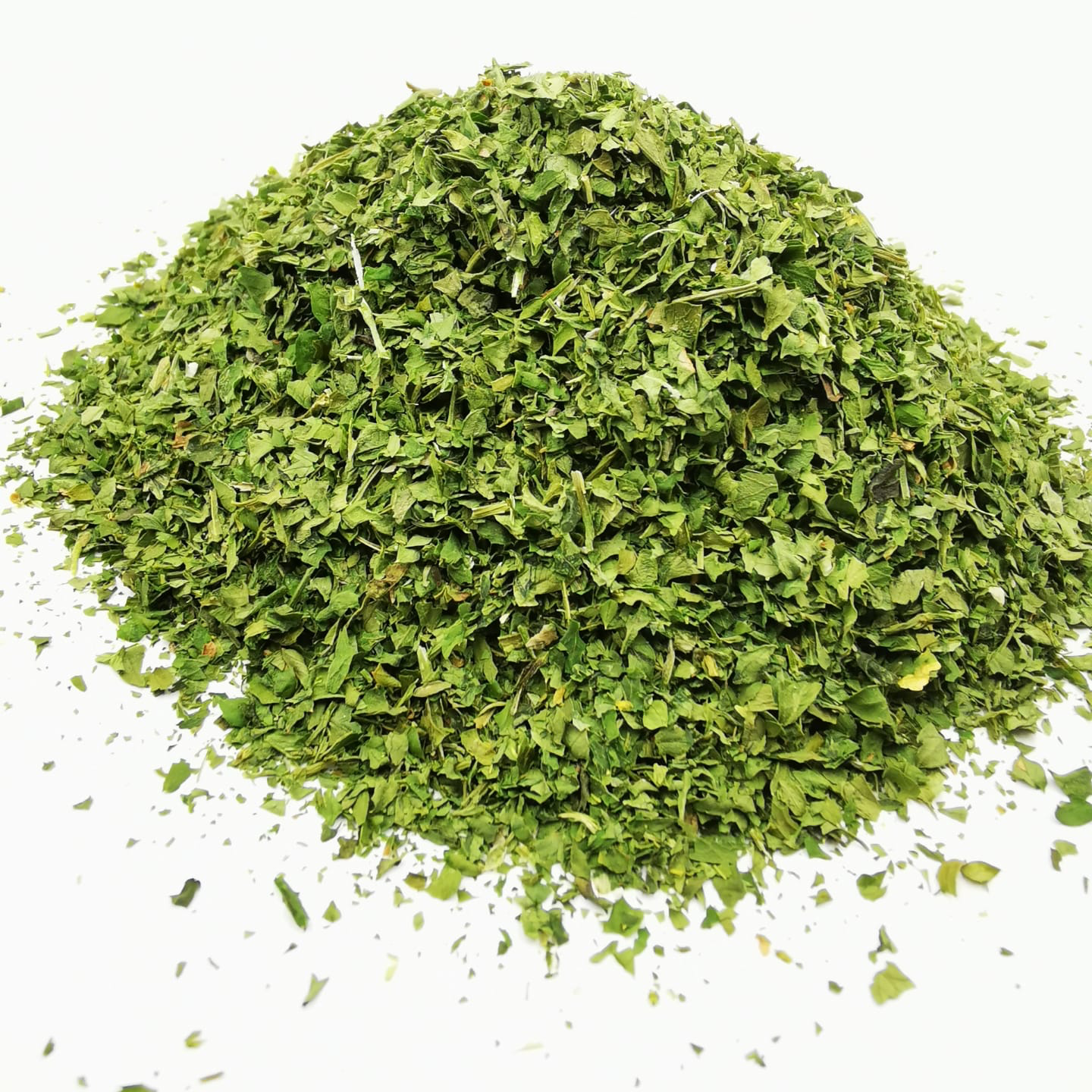
Leafy herbs such as parsley and coriander leaves are added to the dish only at the end. During long cooking, they lose their freshness and colour.
Choose sourness just before the end. Sprinkle sumac or squeeze a dash of lemon over the plate just before serving, or in the last few minutes of cooking. Then the sourness remains sharp and you can really taste it.
For marinades, mix the spices with oil and let them soak into the meat or chicken. Always keep raw meat chilled in the refrigerator until then. Do not cook it too intensely afterwards: very high temperatures create substances in meat discussed by the National Cancer Institute. Medium heat is therefore sufficient.
Ready-made spice mixes may contain salt, so always read the ingredients list on the current product page or packaging. Only then decide if you are adding extra salt. This varies from mix to mix and may change with a new recipe.
The dosage also varies from mix to mix. Use the quantity stated on the packaging or product page and do not copy it from another mix.
Ready-made mixes and what they suit best
| Mix | Flavour profile | Suits |
|---|---|---|
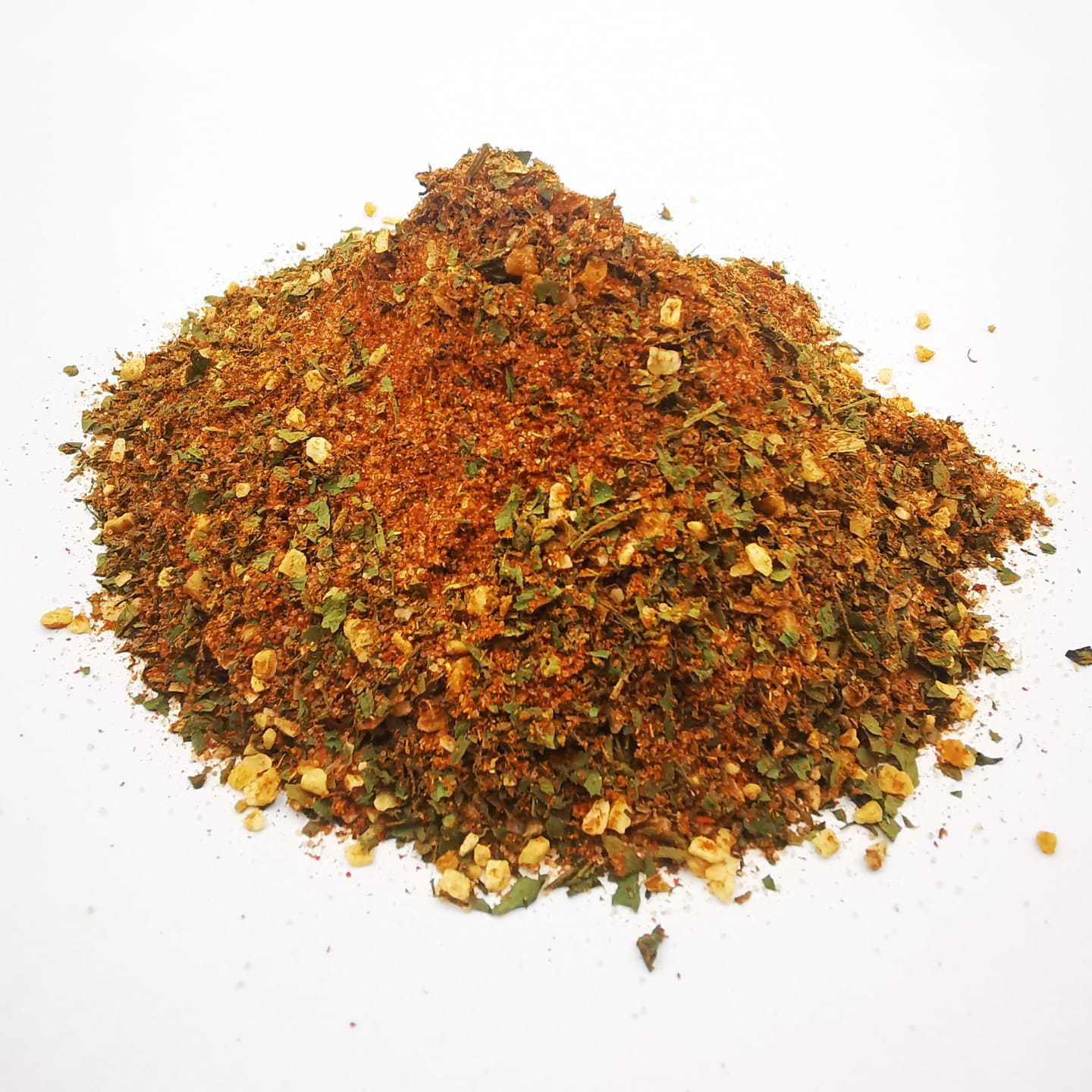
| Za'atar | Oregano, sumac and sesame seeds | Bread and eggs |
| Tex mex | Warm, spicy and hot | Tacos and chili |
| Satay spices | Ginger, lemongrass and coriander | Chicken and stir-fry |
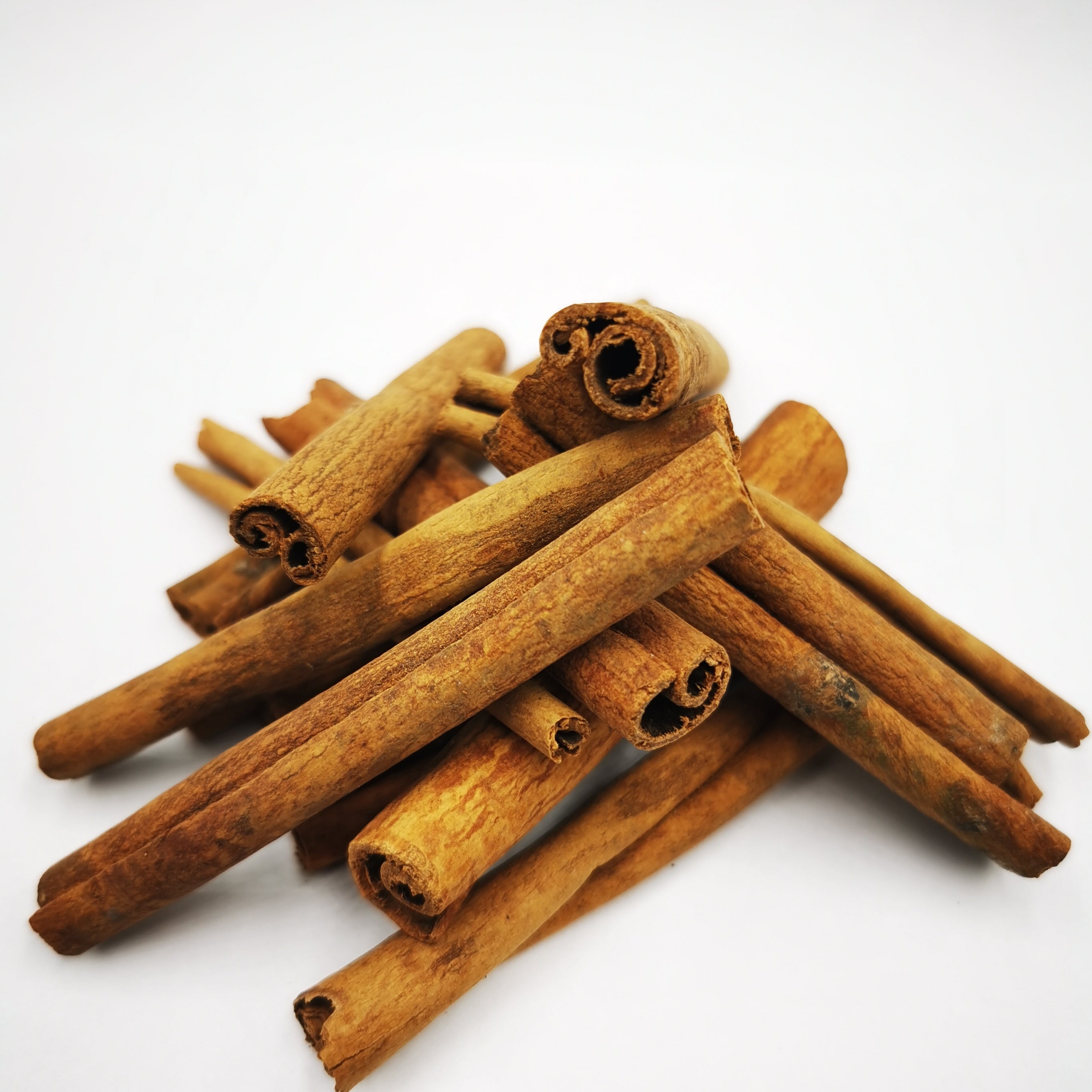
| 5 Chinese spices | Cinnamon, ginger, nutmeg and cloves | Meat and pumpkin |
| Tikka masala | Spicy and creamy with yogurt | Chicken and rice |
Use Za'atar with a dash of oil on bread, over eggs or over oven-roasted vegetables. The sumac in the mix provides a fresh sour note.
Tex mex adds warmth and heat to tacos, chili and oven-roasted vegetables. Satay spices suit chicken, skewers and stir-fry. With 5 Chinese spices, think of meat and pumpkin, where cinnamon and cloves create a warm tone.
For tikka masala, mix the mix with yogurt, add chicken and serve with rice. This way you do not have to weigh or combine anything yourself.
For each dish, choose the spice that complements the missing flavour: cumin or turmeric for soup and rice, smoked paprika for chicken and vegetables, sumac for fish and garlic or pepper for eggs. So you do not have to use everything at once.
Some combinations enhance each other. Cumin and turmeric complement each other because one is warm and the other is mild and earthy. Sumac and parsley work together because the sourness and the green make each other fresher.
If you are new to this idea, start small. Choose one dish you already know well, one spice from the list and one sour source, such as sumac or a dash of lemon. Taste afterwards and only adjust if something is still missing.
For chicken and couscous, there are separate articles on our blog with complete spice choices and quantities. I will not repeat them here.
The 7 spices compared by what they add and where you use them
| Spice | Flavour effect | Best dish | Moment of adding |
|---|---|---|---|
| Cumin powder | Warm and earthy | Minced meat, soup and vegetables | Early, fry briefly in oil |
| Smoked paprika | Smoke and depth | Chicken and oven-roasted vegetables | Early, or in the marinade |
| Turmeric | Mild and earthy | Rice and tagine | Early in the pan |
| Sumac | Fresh and sour | Salad and fish | Just before serving |
| Garlic powder | Sharp and widely useful | Marinades and sauces | Early, or in the marinade |
| Parsley and coriander leaves | Fresh and green | Almost any hot dish | Right at the end |
| Black pepper | Heat and aroma | Egg, meat and vegetables | Freshly ground just before eating |
Choose one dish you already know, one spice and one sour source today, and taste afterwards if something is still missing before you reach for the salt shaker. Often the answer is already in the pan. That is how we cooked at home: taste first, then adjust.
If you want to do it faster, start with one mix, for example Za'atar on a plate of eggs or oven-roasted vegetables. Then you do not have to weigh or combine anything yourself.
If you are limiting salt for medical reasons, this plan changes. Ask your doctor or dietitian for advice first and then adjust your spices.
Take this list with you to the kitchen and tick off as you cook:
Start with about 1 teaspoon of one spice per 2 to 4 servings and taste after that. Spices like cumin and turmeric only become truly noticeable after a few minutes of cooking. So don't add more right away, but taste after cooking and add a small pinch if necessary.
For a Moroccan Spicy Secrets mix, the dosage on the packaging or product page applies. It varies by mix.
Ground spices remain safe to use for a long time, but their aroma fades faster than whole spices. If you have a jar that barely smells like anything when you open it, it will also add little flavor to your dish. You can then use a bit more or replace the jar.
Store spices in a dry, dark, and well-sealed place, not above the stove. It is better to buy ground spices in small quantities if you only use them occasionally. Whole cumin seeds or peppercorns retain their aroma longer and you grind them briefly before use.
Yes, lemon or vinegar can make a dish taste livelier, but they do not replace salt one-to-one. They bring sourness, not saltiness. That is often exactly what a flat dish needs.
Lemon juice goes well with fish, vegetables, and legumes. A splash of mild vinegar, such as apple cider vinegar or white wine vinegar, works well in dressings and in stews just before the end. Start with half a teaspoon, taste, and add slowly. Too much sourness makes a dish sharp instead of rounded.
Usually not. A loose spice such as cumin powder or turmeric consists of that one spice and therefore contains no added salt. This is different with a mix, because sea salt can be in it as a separate ingredient.
If salt is listed in a mix, do not add anything extra first. Taste after cooking and then decide if something needs to be added.
You can also sprinkle spices directly into a dish with liquid, such as soup, stew, or sauce, and that works perfectly fine. Toasting first does give more aroma, but it is not mandatory.
It is different with dry preparations. For oven-roasted vegetables or chicken, it is best to mix the spices with oil beforehand, so they do not burn and stay well attached. If you sprinkle your spices only on top of a dry dish, the flavor remains superficial. In that case, use sumac or freshly ground pepper only at the time of serving, so the freshness is preserved.
Written by
Youssef Abou Allal, Founder at Moroccan Spicy Secrets
Youssef Abou Allal is the founder of Moroccan Spicy Secrets in Antwerp. The brand was born from the desire to bring the flavors of the Moroccan family kitchen to the table at home in a simple and practical way. With inspiration from his family's kitchen, Moroccan Spicy Secrets developed spice mixes that help home cooks prepare both Moroccan classics and simple everyday dishes with great flavor. On the recipe blog, Youssef shares practical recipes, cooking ideas, and applications for herbs and spices.
LinkedIn Everything I make tastes bland: how to give food more flavor with spicesDoes your food taste bland? Discover where it goes wrong with spices: the timing, the form, and the combination. With practical steps and mixes from Moroccan Spicy Secrets.
 Giving ground meat flavor: the best spices without seasoning packetsGiving ground meat flavor without seasoning packets: which spices you need, how much you use, when you add them, and how to cook safely.
 Spices for couscous: which spices really give couscous more flavor?Which spices really give couscous more flavor? You read in which layer you use which spices, when you add them, and which mixes make the job easier…Spices for rice: how to easily flavor white riceWhich spices go well with white rice? Learn when you add them, which mixes fit which dish, and how to give rice flavor without extra effort.
 Moroccan chicken spices: which spices give chicken that authentic flavor?Which spices give Moroccan chicken that authentic flavor? Basic spices, three classic dishes, the right time to season, and which mix you choose.

