


Zoete aardappel kruiden: welke smaken passen er het beste bij?
Welke kruiden passen bij zoete aardappel? Warme en pittige smaken zoals ras el hanout, komijn, paprika en tijm, per bereiding uitgelegd voor oven, puree en tajine.


Quick answer
If your food tastes bland, it's usually due to the timing and the way you use your spices. Briefly fry ground spices in oil, add fresh flavors only at the end, and choose one warm mix per dish. Moroccan Spicy Secrets, an Antwerp spice brand, makes such mixes.
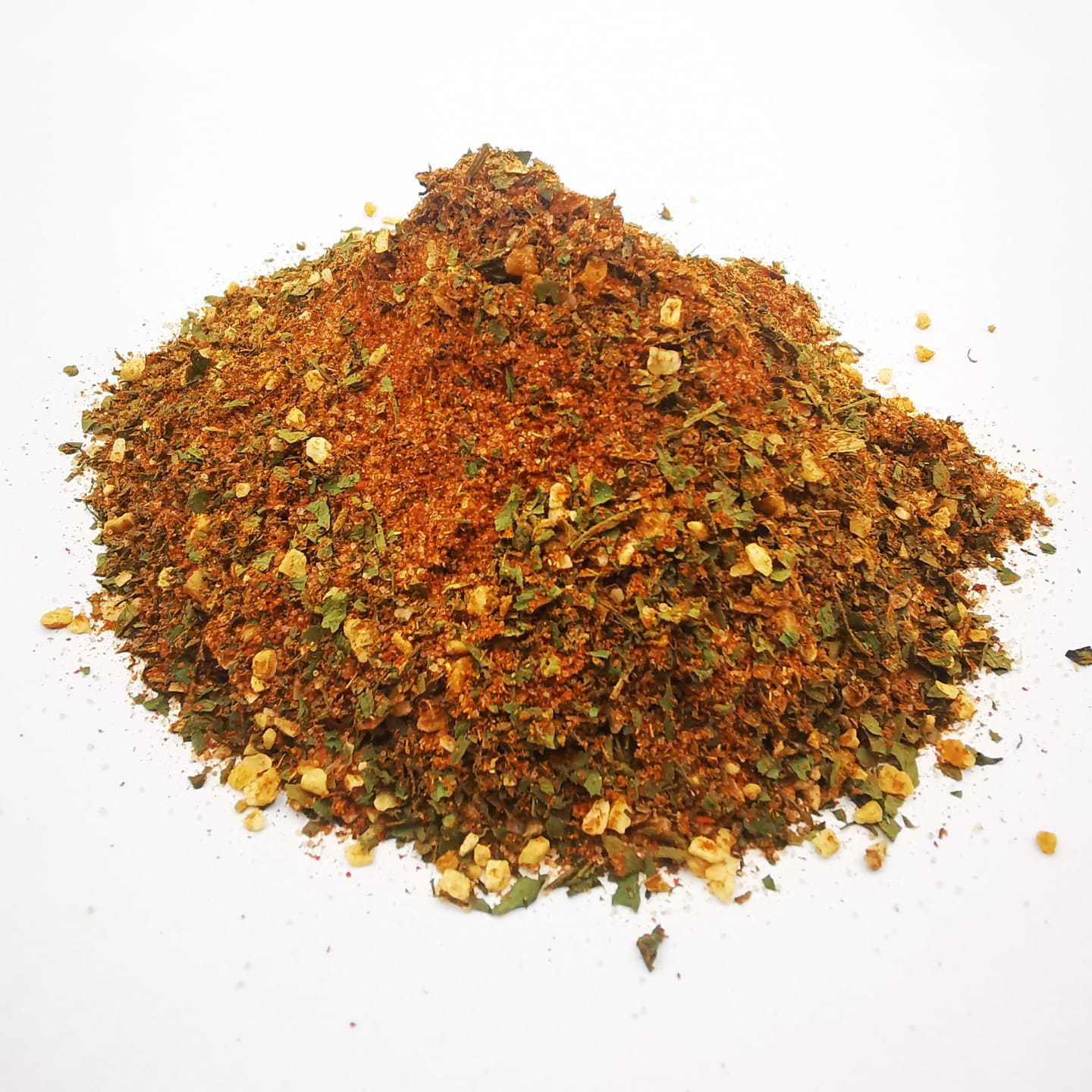
 Ras el hanout yellow
You follow the recipe, you add the spices, and yet the dish tastes flat. Many home cooks know this feeling. Usually, you think you need more spices, and often that's not the problem.
I'm Youssef, founder of Moroccan Spicy Secrets in Antwerp. With these three things in order, one good mix is all you need.
Below, I'll walk you through them step by step. You'll read where things usually go wrong, how to store your spices, and which mix suits which flavor problem. Then you'll see how to apply it to an ordinary weekday meal.
Food tastes bland with spices if they go into the pan at the wrong time, have been left open in the cupboard for too long, or if too many different types are used at once.
Spices that only go into the pan at the end or for a very short time do not release their flavor. Spices that have been left open in the cupboard for months have little aroma left. And whoever sprinkles five or six types together often gets a flat taste in which nothing stands out anymore.
Bland also does not always mean that there are too few spices. Sometimes acid, salt, or fat is simply missing. An extra spoonful of cumin won't solve anything then, while a little lemon or oil immediately makes the dish sharper.
Therefore, taste just before serving and ask yourself what is missing. Is the dish flat, heavy, or thin? Only then choose what needs to be added.
A good example of a flavor enhancer without extra spices is preserved lemon. Preserved lemon is salty and sour and is used in tagine. One piece gives a dish depth, even if you add no other spice to it.
The timing depends on the form of the spice: ground spices go briefly into the oil at the beginning, dry mixes are rubbed in beforehand, and fresh flavors only at the end. This way, every flavor is released at the right time.
Fry ground spices such as cumin powder and turmeric for half a minute in warm oil before adding moisture. The flavor dissolves in the fat and then spreads through the entire dish. Keep the heat moderate, because burnt spices become bitter and no extra spice can save you from that.
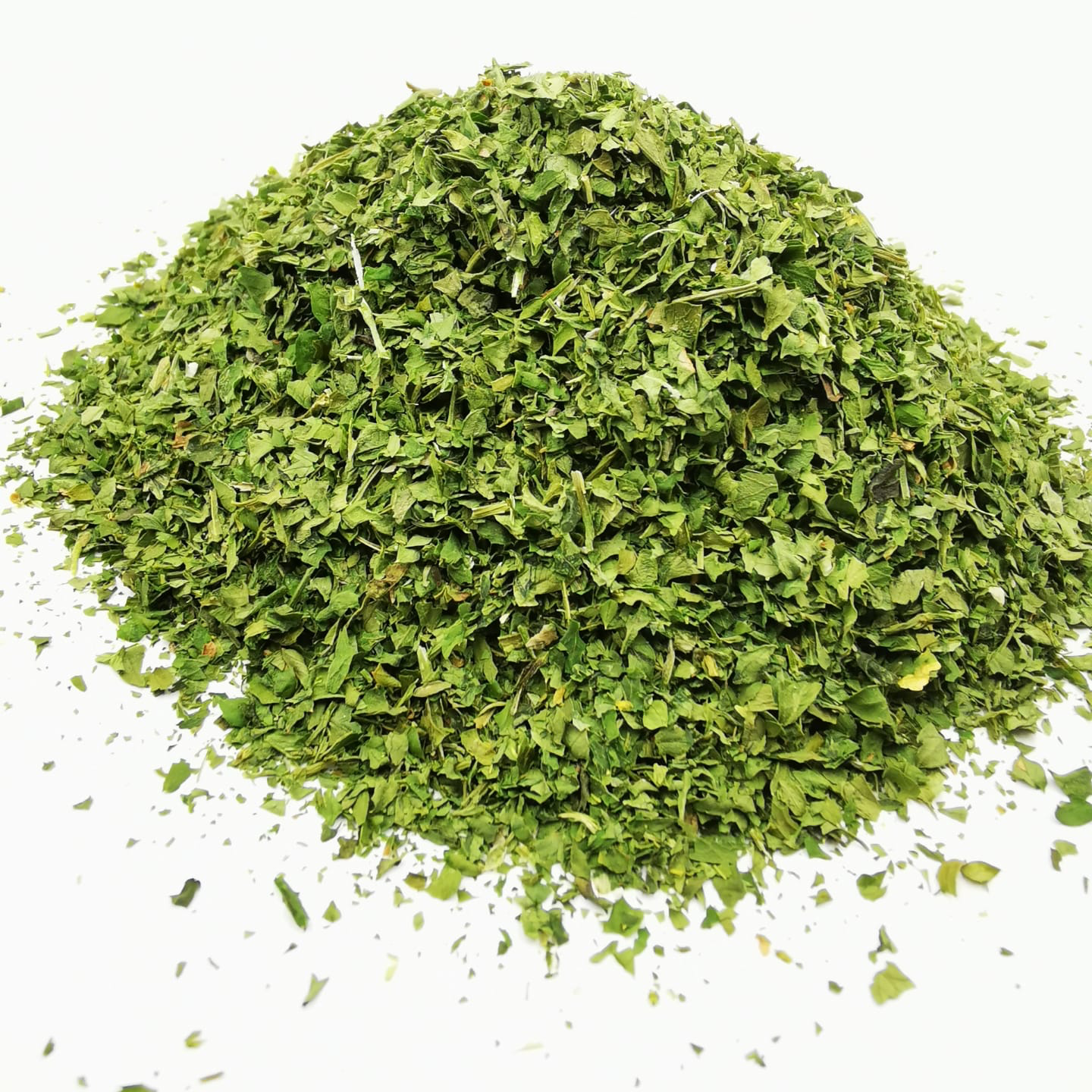
Rub a dry mix or marinade into meat or vegetables beforehand and let it soak in. Fine herbs and fresh flavors, such as fresh mint, parsley, or a splash of lemon, only go into the pan at the end. The same applies to meat: choose moderate heat. High cooking temperatures for meat require attention, so do not let the meat char and use marinades and spices without letting the meat burn.
The best time per type of spice
| Spice form | Timing | Why |
|---|---|---|
| Ground spices | At the beginning, fry briefly in oil | The flavor is released in fat |
| Dry mix for meat | Rub in beforehand and let soak in | The flavor really penetrates the meat |
| Whole seeds and grains | Beforehand or during stewing | They slowly release flavor |
| Dried leaf herbs such as thyme | Halfway through cooking | They retain their aroma without burning |
| Acid such as preserved lemon | Taste at the end and adjust | You decide how much acid the dish needs |
It is best to replace ground spices as soon as they barely smell anymore, because their aroma disappears faster than that of whole spices and seeds. I don't give a fixed term in years, because the smell says more than the date on the jar.
Therefore, do the smell test. Open the jar, rub a pinch between your fingers and smell it. If you don't hear a clear smell coming out of it, it won't do much in your pan either, no matter how much you sprinkle in.
Store spices dark, dry, and tightly closed. Put the lid back immediately after use and use a dry spoon, so that no moisture gets into the jar.
Want to get more aroma out of your spices? Then buy whole seeds and grind them just before cooking. Cumin seeds and coriander grains give so much more aroma than the same spice from a jar of ground powder that has been open for months. A small mortar and pestle or a coffee grinder that you only use for spices is enough.
 Ground thyme
For most everyday dishes, Ras el hanout yellow gives more flavor the fastest. It gives color, aroma, and flavor to meat, rice, and tagines.
That mix counts twelve spices, including star anise, cardamom, cloves, fenugreek, long pepper, and paradise seeds. Choose it if you are looking for more depth than the yellow version gives.
Za'atar suits other dishes.
Ground thyme works well in marinades, rubs, and stews. A pinch or two is enough, and the powder distributes evenly through your dish.
A touch is enough.
Choose one mix per dish. If you combine three at once, they flatten each other out and you mainly taste a vague spice mixture. With one clear choice, you taste what you have added.
Which spice you need depends on what your dish is missing: warmth, acid, aroma, or color. Look first at what is missing and then choose the spice.
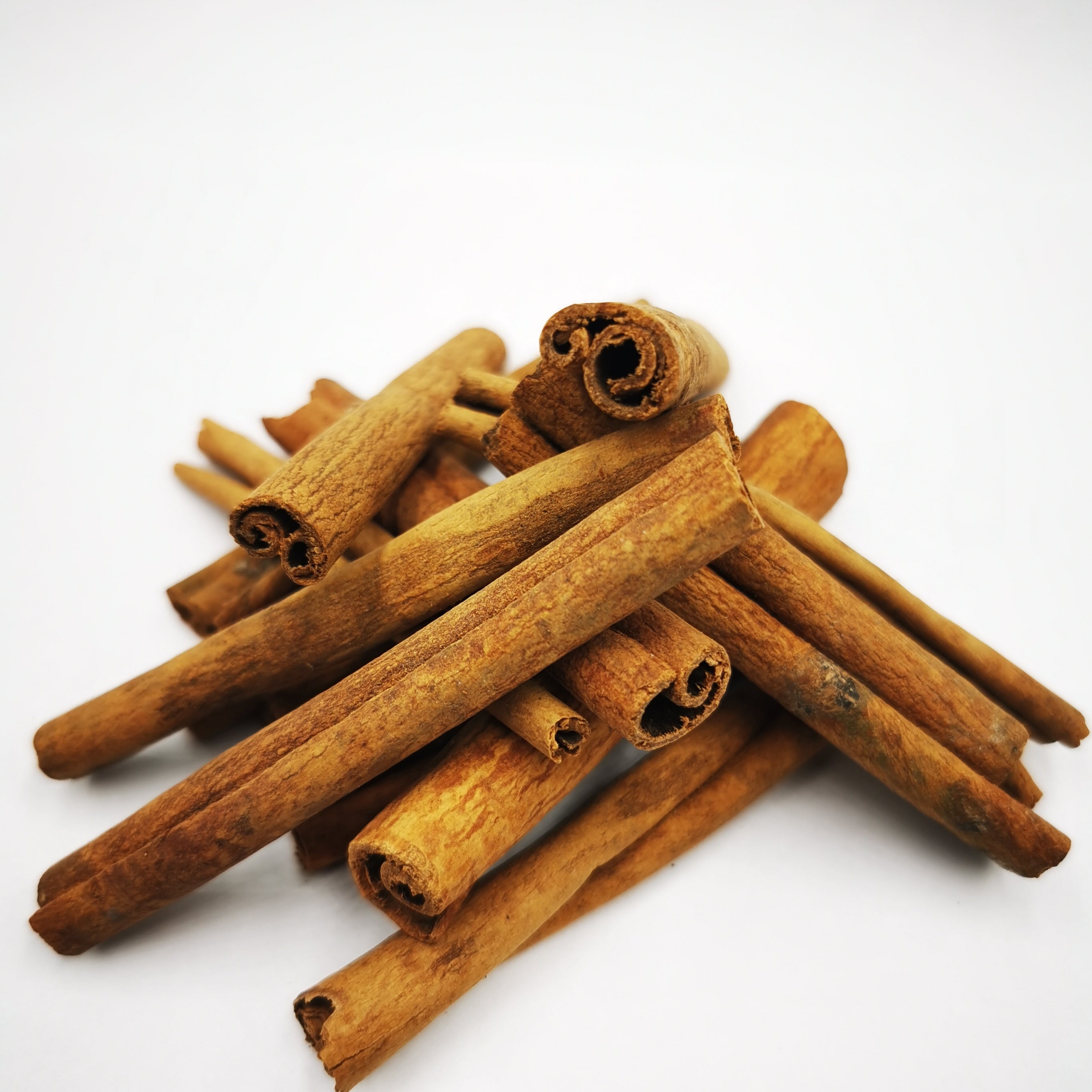
Does your food taste flat? Then it usually lacks warmth and depth. Warm spices such as cumin, cinnamon, or a ras el hanout bring that, together with a pinch of salt.
Does your food taste heavy? Then something sour helps more than another spice. A splash of lemon or a piece of preserved lemon makes a stew or tagine lighter and sharper.
Is your food missing aroma? Then your spices often went in too late or for too short a time in the pan. Fry them briefly fresh with it, or sprinkle them over the dish at the end.
Is your food missing color and roundness? Then turmeric, or Ras el hanout yellow, is suitable.
If you have two problems at once, for example flat and heavy, solve the first one first and taste again. This way you know which adjustment made the difference.
An ordinary weekday meal gets more flavor with one fixed order: heat the fat, fry the spices with it, add the main ingredient and moisture, and taste and adjust at the end. You don't need extra dishes or complicated combinations for that.
Start with oil or butter in a warm pan and fry your spices or mix in it. Then add chicken, minced meat, vegetables, or rice, together with your water or broth. Let it cook and taste just before serving.
Use one mix as a base.
Every mix has its own dosage. With Ras el hanout yellow, you follow the amount that is on the product page, and you don't take that over for another mix. What works well with one mix can be too much or too little with another.
If you want to develop a certain dish further, there is already more about that on this blog. For minced meat, read giving minced meat flavor without packets or bags. For rice, you will find everything at spices for rice.
Which spice mix suits which flavor problem
| Mix | Suits | Flavor profile | How do you use them |
|---|---|---|---|
| Ras el hanout yellow | Meat, rice, and tagine | Color and warm aroma | Small amount fried briefly in oil |
| Ras el hanout exclusive | Dishes that can taste richer | Warm and deep, with twelve spices | Fry with or in a marinade |
| Za'atar | Bread, vegetables, and meat | Spicy and lightly sour | Mix with olive oil or sprinkle over it |
| Ground thyme | Stews, marinades, and rubs | Earthy and spicy | A pinch or two |
| 5 Chinese spices | Marinades for pork or duck | Warm and sweetish | A touch in a marinade or sauce |
Taste your next meal just before serving and determine what is missing: acid, salt, or spice. Only then do you reach for a jar. This way you prevent adding spices to a dish that actually just needed a splash of lemon.
Then choose one mix, such as Ras el hanout yellow, and fry it for half a minute in oil before moisture is added. One clear choice per dish lets you taste the difference the fastest.
One exception: if your spice cupboard is full of jars that barely smell anymore, you will get further by replacing them than by buying another mix. So start with the smell test and only cook after that.
Go through this list before your next pan is on the fire:
Start with the dosage stated on the packaging or product page of the mix and build up from there. Each mix has its own strength, so an amount that works for one may be too much for another. It is better to add it in two stages: half at the beginning and the rest after tasting. You can't take out too much spice, but you can always add an extra pinch.
Yes, but then choose herbs that do not need cooking time. Fresh mint, parsley or a splash of lemon work perfectly at the end. If a finished dish is missing something, fry a small amount of the herbs in a little oil in a separate pan for half a minute and stir that through.
No, ground herbs are not worse, they just stay fresh for a shorter time. Ground herbs are more convenient, however, because they distribute more quickly and evenly through the dish. For marinades, stews and mixes such as ground thyme, powder is therefore a good choice, as long as the jar still smells clearly.
That depends on the mix. The Kefta mix, for example, contains sea salt, so you do not add salt to that mix beforehand. If there is no salt in the mix, add a pinch at the end and taste again.
Whole seeds and grains stay fragrant longer than ground herbs because their aroma is better protected. Therefore, it is best to keep ground herbs in small jars that you use up more quickly. You can tell which timeframe is right for your jar by the smell, just like with the smell test above.
Written by
Youssef Abou Allal, Founder at Moroccan Spicy Secrets
Youssef Abou Allal is the founder of Moroccan Spicy Secrets in Antwerp. The brand was born from the desire to bring the flavors of the Moroccan family kitchen to the table at home in a simple and practical way. Drawing inspiration from his family's cuisine, Moroccan Spicy Secrets developed herb mixes that help home cooks prepare both Moroccan classics and simple everyday dishes with great flavor. On the recipe blog, Youssef shares practical recipes, cooking ideas, and applications for herbs and spices.
LinkedIn Flavoring food without salt: 7 herbs for more flavorFlavoring food without salt? Discover 7 herbs that replace salt, when to add them, and which Moroccan Spicy Secrets mixes save you time.
 Flavoring ground meat: the best herbs without seasoning mixesFlavoring ground meat without seasoning mixes: which herbs you need, how much to use, when to add them, and how to cook it safely.Meatball herbs without seasoning mixes: how to make the best ground meat seasoning yourselfMeatball herbs without seasoning mixes: which herbs you need, how much per kilo of ground meat, and how to balance the mixture yourself. Practical tips from…
 Herbs for couscous: which herbs really give couscous more flavor?Which herbs really give couscous more flavor? You'll learn which herbs to use in which layer, when to add them, and which mixes make the job easier…Herbs for rice: how to easily flavor white riceWhich herbs go well with white rice? Learn when to add them, which mixes suit which dish, and how to flavor rice without extra effort.

