


Zoete aardappel kruiden: welke smaken passen er het beste bij?
Welke kruiden passen bij zoete aardappel? Warme en pittige smaken zoals ras el hanout, komijn, paprika en tijm, per bereiding uitgelegd voor oven, puree en tajine.


Quick answer
For more flavourful couscous, season the broth and the meat, not just the grain. Cumin, turmeric, ginger, pepper, coriander and a little cinnamon do the trick. Moroccan Spicy Secrets, an Antwerp spice brand, combines Couscous royal and Couscous chicken mix for this, so you don't have to weigh anything out yourself.
 Medium couscous 500 g
I get asked almost weekly: "I made couscous and it has no flavour, what am I doing wrong?" Usually, the answer is the same. Spices were stirred through the dry couscous, while the flavour isn't there at all. The grain itself is neutral and takes on whatever it gets.
At our home, good couscous is all about what happens around it: a well-seasoned broth, meat that has been browned in spices and vegetables that cook along with it. If you do it in the right order, you only need a few spices and still get a full flavour.
Below, I'll go through which spices to use where, when to add them and when a ready-made mix saves you the trouble. There isn't one right couscous either: every family and region seasons it a little differently, and your version can too.
Couscous tastes neutral because it is steamed or soaked wheat semolina, a grain that itself has almost no flavour. The flavour comes from what you cook around it and what the grains absorb from it.
Anyone who only stirs spices through the dry couscous will therefore get a flat flavour. The spices remain on the outside of the grain and have no fat or moisture to open up in.
The flavour is in four layers:
Couscous is not an exclusively Moroccan dish either. The traditions around it are shared Maghreb heritage and stand together for Algeria, Mauritania, Morocco and Tunisia on the UNESCO list. Every family and every region has its own version, so there is more than one way to make a good couscous.
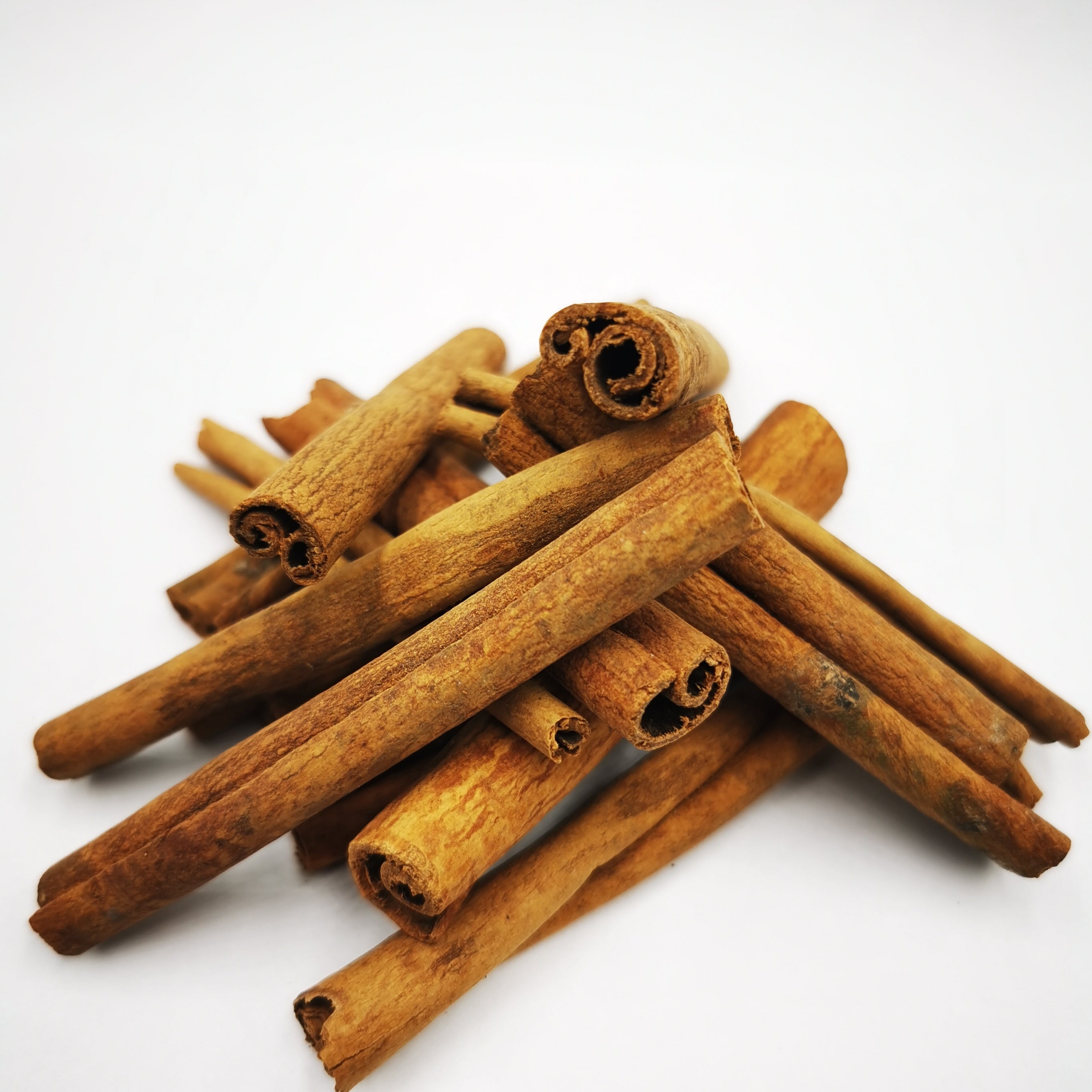
You season the broth and the meat of a couscous with cumin, turmeric, ginger, pepper and coriander, plus a pinch of cinnamon for warmth. Add those spices when browning the onion and the meat. This way, they open up in the oil before the water is added, and that gives more flavour than spices that only end up in the pot later.
Ras el hanout also fits here, because it is its own composed blend. There is no fixed composition: every producer mixes it differently. Therefore, read the product page for the exact contents and do not expect a standard recipe.
If you don't want to weigh anything out, take Couscous royal. That mix is intended for a richly filled couscous with broth, meat and vegetables.
Check the ingredients list before adding extra salt, because not every mix is equally salty. The dosage varies per mix, so always follow the product page.
When do you add which spices?
| Moment in cooking | Spices | Why then |
|---|---|---|
| When browning onion and meat | Cumin, turmeric, ginger, pepper | The spices warm up in the oil and adhere to the meat. |
| In the broth | Coriander, ras el hanout or spice mix | The water takes on the flavour and passes it on to the vegetables and couscous. |
| Saffron | First soak in warm water, then in the broth | This way, saffron gives off colour and aroma evenly. |
| On the couscous itself | Butter, olive oil, fresh parsley | This loosens the grains and gives a fresh finish. |
| Raisins and onion | Prepare separately with the Raisin onion mix couscous | The sweet layer remains separate from the savoury broth. |
 Couscous royal
Couscous with chicken, caramelised onion and raisins requires two separate spice layers: one for the chicken and one for the sweet onion-raisin topping. Whoever seasons both layers separately gets a clear difference between savoury and sweet.
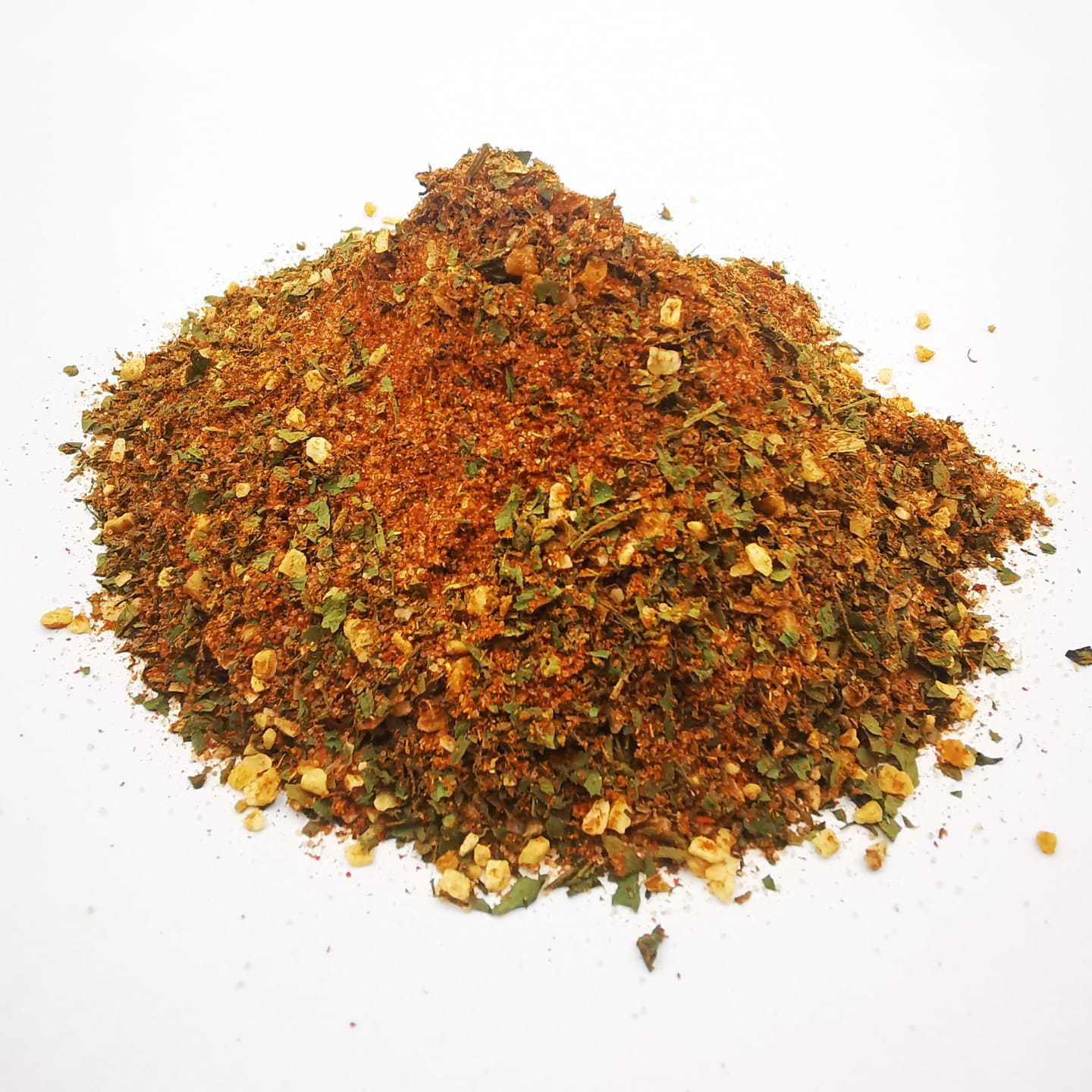
For the chicken we use the Couscous chicken mix. It seasons the chicken in the traditional way, with ginger, cinnamon and ras el hanout among others. You rub the chicken with it before browning it, so that the spices open up in the oil.
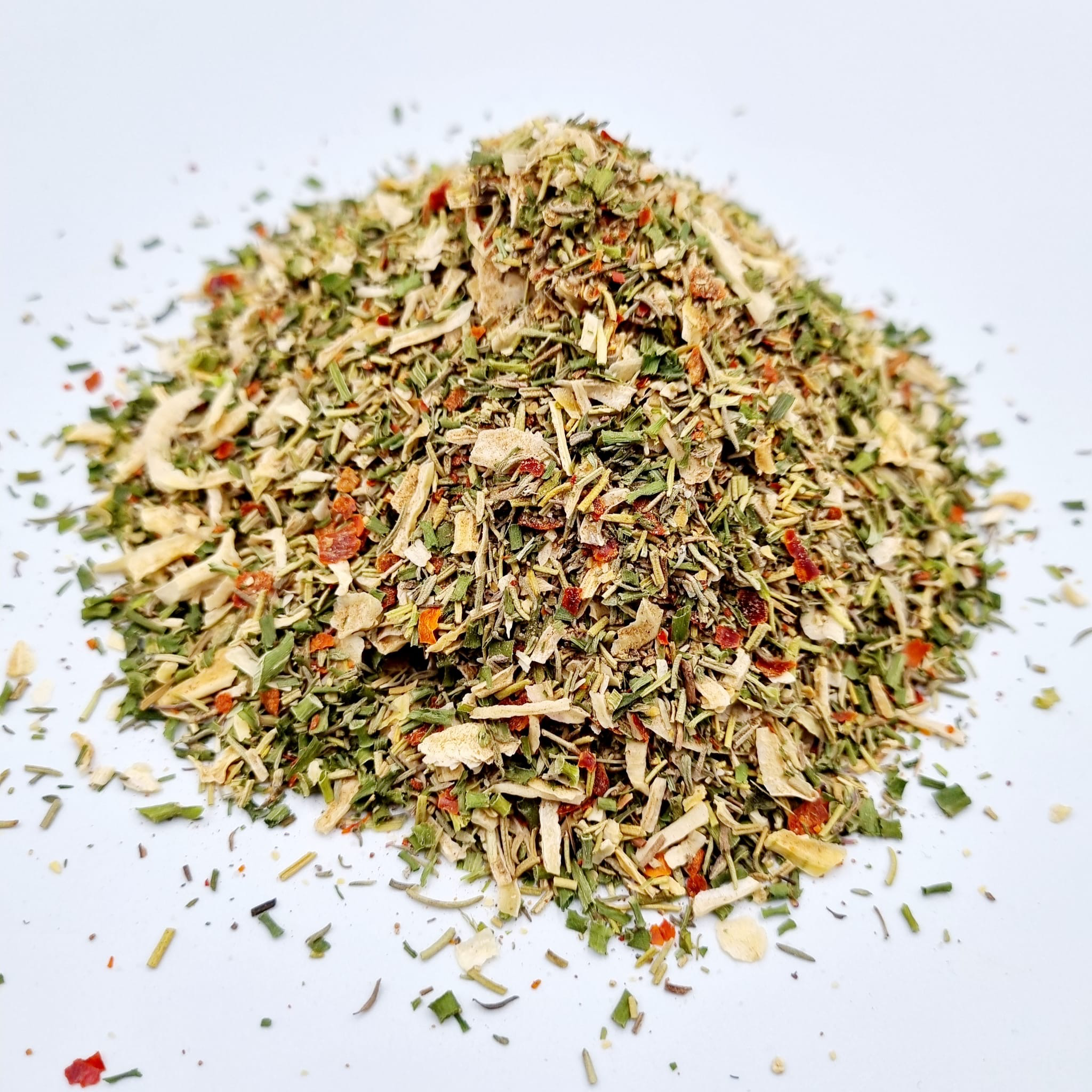
For the topping you use the Raisin onion mix couscous. It gives the onion and the raisins their typical sweet, warm flavour. You prepare the topping separately in a small pan, so that the onion can caramelise slowly without disappearing into the chicken broth.
Warm or soak the raisins separately first in a little warm water. This way they become soft and juicy before they go on the couscous, and do not remain hard and dry among the onion.
Mixing your own spices can also be done. The proportions vary per recipe and per family, so there is no fixed standard ratio. Follow the dosage on the product page for the mixes and taste your own mixture step by step.
You give couscous itself more flavour by letting the grain absorb a seasoned broth instead of just boiling water. Pour the hot broth over the dry couscous, cover and let it stand for a few minutes until all the moisture is absorbed. Use about as much broth as couscous, so that the grains become soft without clumping.
Then run a dash of olive oil and a knob of butter through the couscous. Loosen the grains with a fork, in light movements, so that they come apart and do not stick together.
Saffron and turmeric give mainly colour and aroma. Soak the saffron threads first in a little warm water, a few minutes is enough, and add that water to the broth or the couscous. Turmeric colours the grain golden yellow and can just go in the broth.
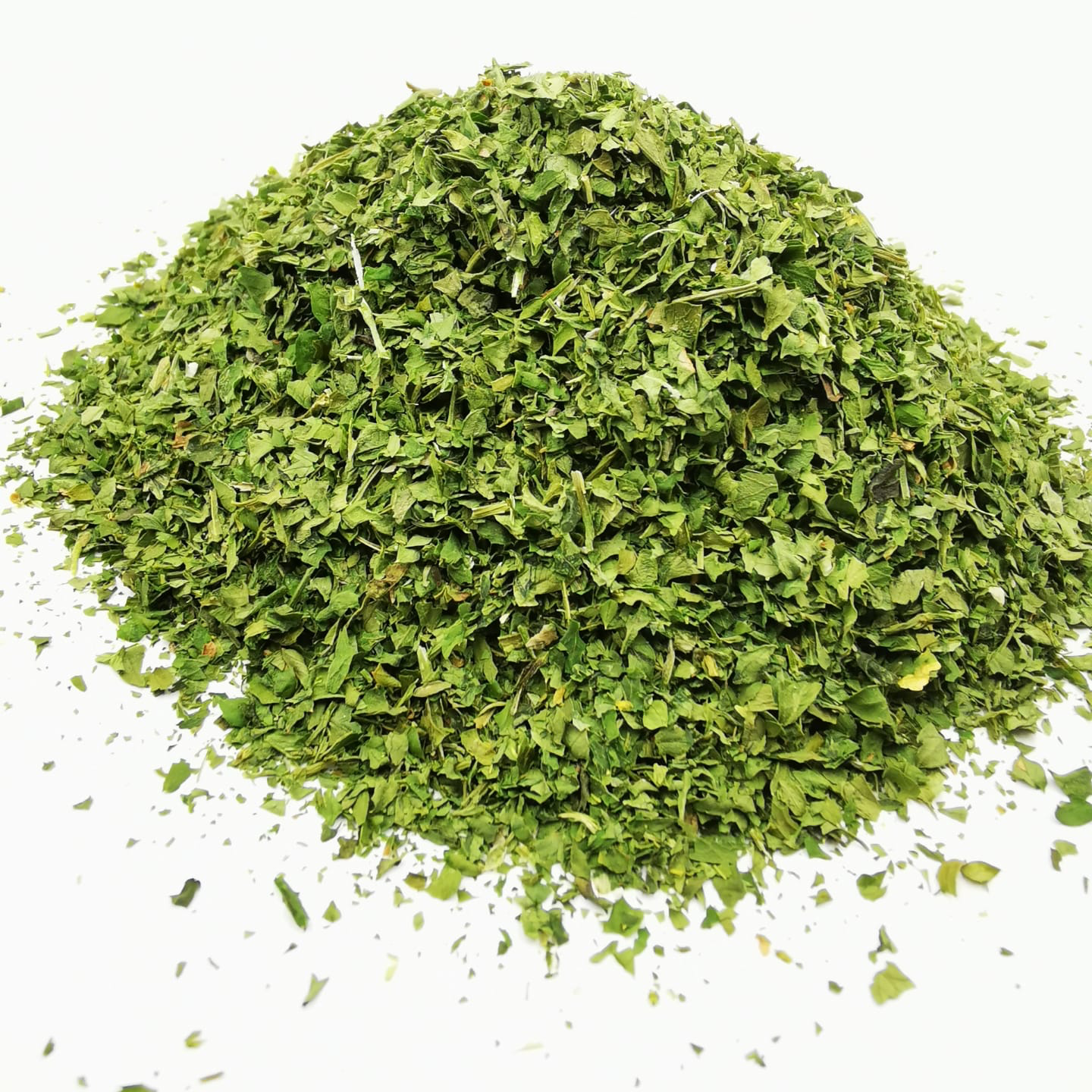
Finish with fresh parsley or coriander, finely chopped and just before serving. By not heating them along, they remain fresh and green.
This approach suits Couscous medium 500 g, the grain type that you can let swell with broth.
Carrot, zucchini, pumpkin, cabbage and chickpeas belong in couscous, and they get their flavour mainly from the seasoned broth in which they cook. You therefore do not season the vegetables separately, but let them cook along in the broth.
The order in the pan makes the difference. Hard vegetables like carrot, pumpkin and cabbage go into the broth first, because they need the longest to become soft. Chickpeas (from a can or pre-cooked) can go in at the same phase. Zucchini only goes into the pan in the last 10 to 15 minutes, otherwise it falls apart and becomes watery.
Do not use extra spices for the vegetables themselves. Everything you need is already in the broth: the vegetables take it up by themselves. More spices on top mainly cause a bitter, heavy flavour. If the broth is right, the vegetables will also taste good, and you taste it just before serving to determine if more pepper or a pinch of salt is needed.
Which spice mix suits which couscous?
| Mix | Suits | Where do you use it |
|---|---|---|
| Couscous royal | Richly filled couscous with broth, meat and vegetables | In the broth and with the meat. |
| Couscous chicken mix | Couscous with chicken, seasoned with ginger, cinnamon and ras el hanout among others | As a rub on the chicken before browning. |
| Raisin onion mix couscous | The sweet layer of onion and raisins | In a separate pan, as a topping on the couscous. |
| Loose spices (cumin, turmeric, ginger) | Own family recipe of which you already know the proportions | When browning onion and meat, in the ratio that your recipe asks. |
Start with the question which couscous should go on the table. Do you want a full couscous with broth, meat and vegetables, choose Couscous royal. Are you making the sweet version with chicken, onion and raisins, then you work with Couscous chicken mix for the chicken and with the Raisin onion mix couscous for the topping.
Mixing your own spices is the better choice if you follow a family recipe and already know the proportions. Then you know better than a ready-made mix how it should taste.
Read the product page of your mix the first time and taste just before serving. After that you know exactly what you want to adjust for the next couscous.
Go through this list before you start and while you cook:
That depends on the mix you use, so follow the dosage on the product page of your mix and do not multiply it by a general amount. Every mix is composed differently, and an amount that works for one may be too much or too little for another. If you use individual spices, start with small amounts when sautéing and taste the broth before adding more. You can always add more spices, but you cannot remove them.
Yes, because the flavor is in the broth, and you can also make it rich without meat. Sauté onion, carrot, and a piece of pumpkin with cumin, turmeric, ginger, and pepper in a generous amount of olive oil. Then pour in water or vegetable broth. Chickpeas add body to the broth. Always check the label of a ready-made mix if you follow a strict vegetarian or vegan diet.
You can prevent clumping by gently fluffing the couscous with your fingertips or a fork after it has expanded, while the grains are still warm. Rub some oil through it before using the fork so that the grains do not stick together. If the couscous is still dry, sprinkle it with a splash of warm broth, cover it, and let it rest for a few minutes. Then fluff it again.
Couscous royal is intended for a richly flavored couscous with broth, meat, and vegetables, while the Couscous chicken mix is made to season chicken for the sweet version with onion and raisins. Choose Couscous royal if you want one mix for the whole pot. Choose the Couscous chicken mix if chicken takes center stage and you finish the onion and raisins separately. The correct dosage for each mix is stated on its respective product page.
Yes, if you cool it quickly and store it cold. Do not leave cooked couscous on the counter for hours, but put it in the refrigerator in an airtight container within about an hour. Store it separately from raw meat. Eat the leftovers within a day or two and reheat them until they are hot all the way through, with a splash of water or broth so they do not dry out. Only reheat your leftovers once.
Written by
Youssef Abou Allal, Founder of Moroccan Spicy Secrets
Youssef Abou Allal is the founder of Moroccan Spicy Secrets in Antwerp. The brand was born from the desire to bring the flavors of Moroccan family cooking to the table at home in a simple and practical way. Drawing inspiration from his family's cuisine, Moroccan Spicy Secrets developed spice mixes that help home cooks prepare both Moroccan classics and simple everyday dishes with great flavor. On the recipe blog, Youssef shares practical recipes, cooking ideas, and applications for herbs and spices.
LinkedIn Seasoning ground meat: the best spices without seasoning packetsSeasoning ground meat without seasoning packets: which spices you need, how much you use, when you add them, and how to cook safely.
 Moroccan chicken spices: which spices give chicken that authentic flavor?Which spices give Moroccan chicken that authentic flavor? Basic spices, three classic dishes, the right time to season, and which mix to choose.
 Everything I make tastes bland: how to give food more flavor with spicesDoes your food taste bland? Discover where spices go wrong: the timing, the form, and the combination. With practical steps and mixes from Moroccan Spicy Secrets.
 Seasoning food without salt: 7 spices for more flavorSeasoning food without salt? Discover 7 spices that replace salt, when you add them, and which mixes from Moroccan Spicy Secrets save you time.Spices for rice: how to easily season white riceWhich spices go well with white rice? Learn when you add them, which mixes go with which dish, and how to give rice flavor without extra effort.

