


Zoete aardappel kruiden: welke smaken passen er het beste bij?
Welke kruiden passen bij zoete aardappel? Warme en pittige smaken zoals ras el hanout, komijn, paprika en tijm, per bereiding uitgelegd voor oven, puree en tajine.


Quick answer
For grilled vegetables, cumin, paprika, thyme and za'atar work best, mixed with olive oil and salt. Moroccan Spicy Secrets, an Antwerp brand for Moroccan spices, recommends them per cooking method: cook them in the oil before putting them in the oven, and add them thinly and briefly before barbecuing so nothing burns.
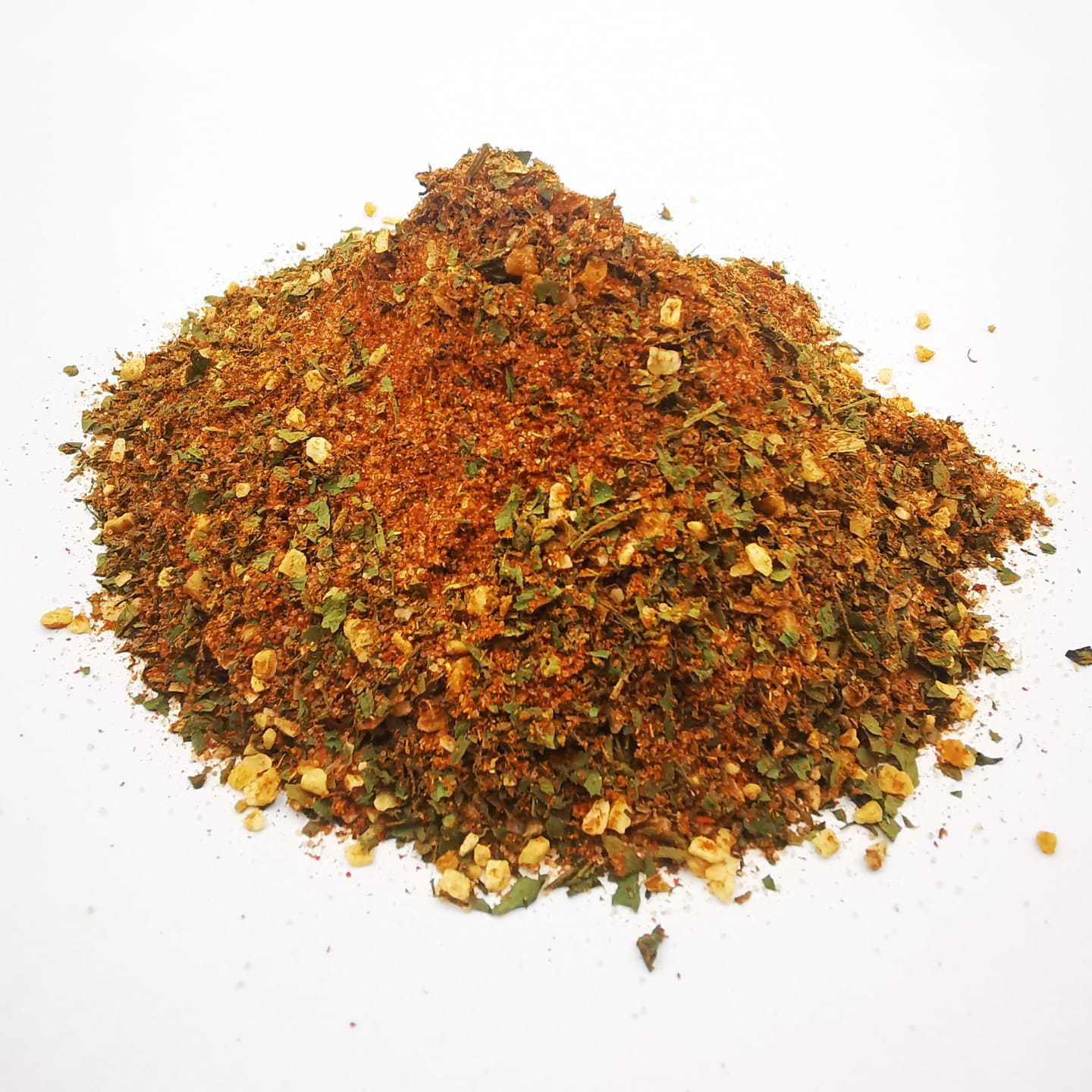
 Moroccan Grill Package
Grilled vegetables are quick to prepare and go well with almost any meal. Yet they often end up bland or covered in charred spices. Usually, this is not the fault of the vegetables, but of when you add the spices.
I regularly get this question from home cooks: what do you throw on them, and when? It works differently in the oven and on the barbecue. A baking tray at 200 degrees forgives a lot, but a hot grill does not.
Below you will find which spices suit each vegetable, how to prepare them for the oven and the grill, and what you can do if you prefer not to weigh anything out. This way, your vegetables will be served with a well-seasoned flavour, without having to open ten jars.
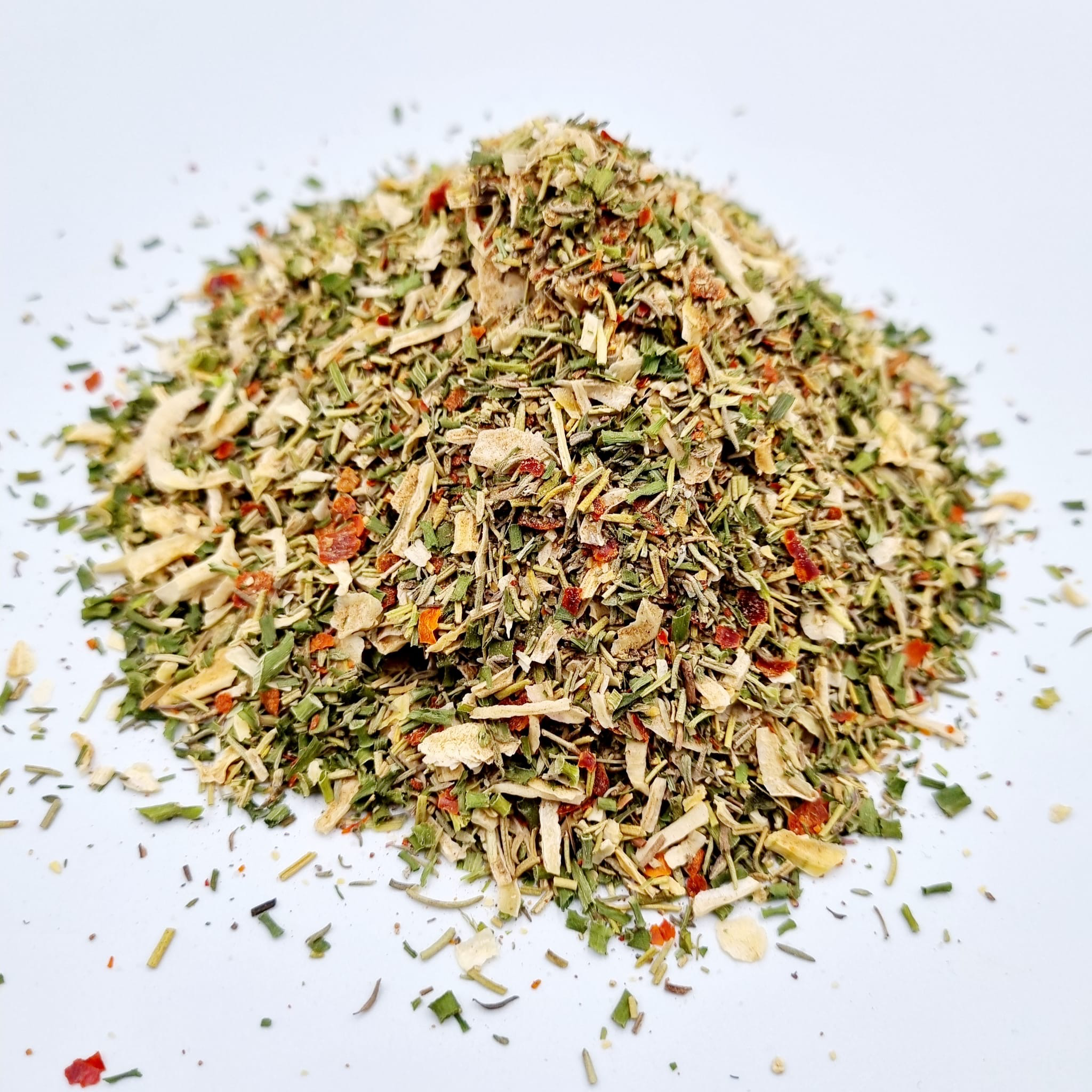
Four spices cover almost every grilled vegetable: cumin powder, mild paprika, thyme and black pepper, with olive oil and a pinch of salt. You do not need anything more for a good base.
Each spice does something different. Cumin adds warmth and an earthy tone. Mild paprika provides colour and a light sweetness. Thyme brings a dry, herbal note, and black pepper gives a sharp finish.
As a starting point, use 1 teaspoon of cumin powder, 1 tablespoon of mild paprika, 1 teaspoon of thyme and half a teaspoon of black pepper per baking tray (about 1 kilo of vegetables). Mix that with 3 tablespoons of olive oil. Taste after the first time and adjust: this is a guideline for individual spices, not a fixed dosage for a ready-made mix. That has its own ratio.
Mix the spices in a small bowl with the oil first, and only then pour it over the vegetables. This way, the flavour is distributed evenly and everything sticks to the vegetables instead of falling to the bottom of the baking tray. Toss everything well with your hands or a large spoon until every piece shines.
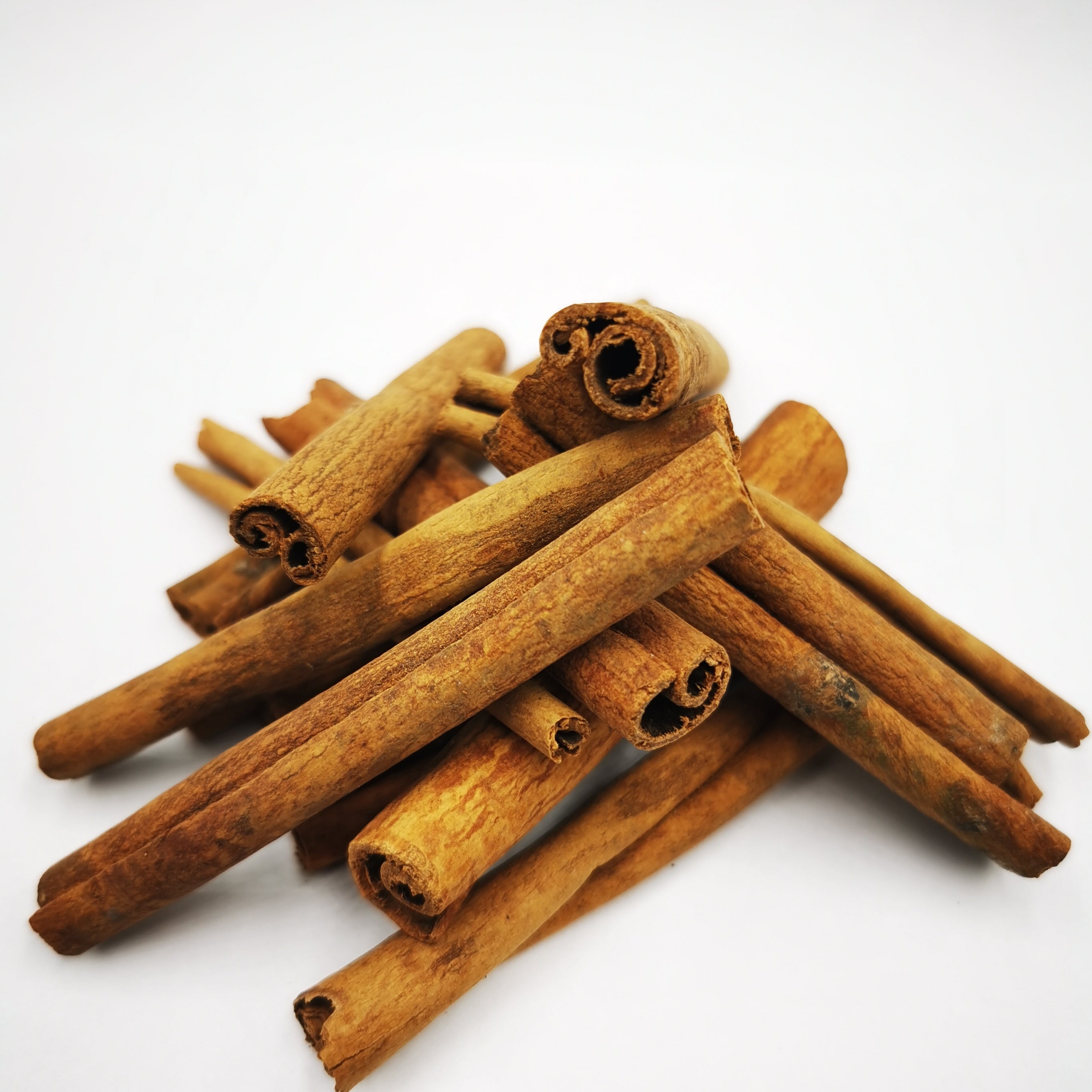
For grilled vegetables, choose the spices according to the vegetable: thyme and garlic for zucchini, cumin and paprika for eggplant, oregano for peppers, thyme for mushrooms and cumin with a warm, cinnamon-like tone for sweet potato. This way, the natural flavour of each vegetable comes out better.
Root vegetables such as carrots, sweet potatoes and cauliflower can handle stronger seasoning. They cook for longer, so the flavour has time to soak in. Soft vegetables such as zucchini and mushrooms only need light seasoning. Use less on them and let the vegetable itself speak.
If you do not feel like choosing, Za'atar is a quick solution. This spice mix contains oregano, sumac and sesame seeds, among others. It suits eggplant, carrots and cauliflower especially well, because the fresh sourness of sumac and the nutty tone of sesame match their slightly sweeter, roasted flavour.
A clear rule: the firmer the vegetable, the stronger the spices can be. Soft vegetables get one or two spices, root vegetables can have a blend.
 Za'atar
For the oven, mix the spices into the oil beforehand and cook them together. On the barbecue, season thinly and briefly before grilling, because dry spices burn quickly on a hot grill.
In the oven, cut the vegetables into equal pieces and lay them in a single layer on the baking tray. If they are piled on top of each other, they will steam and not brown. The spices in the oil protect each other from burning and adhere evenly to the vegetables.
On the barbecue, do not leave soft spices such as thyme or za'atar on the hot grill for too long. Grill over indirect heat or use a grill basket or aluminium tray. This way, the vegetables do not catch flames and the spices remain intact.
Oven and barbecue side by side: when to season and for how long
| Method | When to add spices | Heat and timing |
|---|---|---|
| Oven | Spices in the oil, before baking, in a single layer on the baking tray | Even heat, the spices cook along with the vegetables |
| Barbecue direct | Thinly seasoned, just before grilling | Turn vegetables often to prevent burning |
| Barbecue indirect or in a tray | Season beforehand, in the oil | Less risk of burning, gentler cooking |
| After grilling | Fresh herbs, lemon or sumac | No more heat needed, adds freshness |
Never leave vegetables directly in the flames for a long time. This causes burnt spots and a bitter taste. If you are also grilling meat, keep raw meat and vegetables separate, with their own plate and tongs. Read more about high temperatures and grilled meat at the National Cancer Institute.
Finish the vegetables after grilling with fresh herbs, a squeeze of lemon or a pinch of sumac. This adds a fresh touch that cuts through the heat of the grill.
The Moroccan Grill Package is the easiest choice: four spice mixes plus olive oil, intended for the grill. You season meat and vegetables with it at the same time on the barbecue, without having to create a combination yourself.
Use the olive oil in the package to mix the spices, so that the spices adhere evenly to the vegetables. This way, you only need to open one package for the entire grill.
Are you serving your vegetables alongside meat skewers, cutlets or steak? Then the Meat Mix provides the same flavour on the whole plate. It is a warm, spicy mix with cinnamon and cumin, among others, made for meat, but also delicious on firm vegetables that are served alongside the meat.
The dosage varies per mix. An amount that works for one mix may be too much or too little for another. Therefore, always follow the instructions on the packaging or the product page of the mix you are using.
Also pay attention to the salt. Read the ingredients list first and only then taste to see if extra salt is needed. If the mix already contains salt, extra salt can quickly make your vegetables too salty.
Spices stick to grilled vegetables if you pat the vegetables dry first and only then add oil and spices. Water on the surface causes the oil to slide off and keeps the spices loose. Use a paper towel or a clean tea towel and rub everything well.
A simple rule applies to marinating time. Leave thin vegetables such as zucchini slices, mushrooms or thin pepper strips for 15 to 30 minutes. Firm vegetables such as carrots, cauliflower or sweet potatoes can easily take an hour or longer. Always put vegetables with a marinade that has touched meat or fish in the refrigerator, and do not reuse that marinade.
For watery vegetables, add the salt just before or after grilling. Salt draws moisture out of zucchini, and then the slices become limp instead of golden brown.
Spices with a lot of natural sugars, such as paprika, quickly become dark and bitter. Therefore, grill over moderate heat and turn the vegetables more often. If the outside gets too dark before the inside is soft, move them to a cooler spot on the grill or cover them with a piece of aluminium foil.
Spice combinations per vegetable for the oven and barbecue
| Vegetable | Spices for the oven | Spices for the barbecue | Extra after grilling |
|---|---|---|---|
| Zucchini | Thyme and garlic in the oil | Light seasoning on thick slices | A squeeze of lemon |
| Eggplant | Cumin powder and mild paprika | Thick slices with Za'atar | Fresh mint |
| Peppers | Oregano and black pepper | Smoked paprika | Parsley |
| Mushrooms | Thyme and garlic | Grill without salt, then salt | Parsley |
| Sweet potato | Cumin powder and mild paprika | In pieces on indirect heat | Sumac |
Start with what you already have in the cupboard: cumin, mild paprika, thyme, olive oil and salt. Season the vegetables beforehand before they go into the oven and taste after the first baking tray to see if you need more or less.
If you are grilling on the barbecue and do not want to weigh anything out, choose the Moroccan Grill Package. If you are mainly serving vegetables without meat, Za'atar is the better choice, because that mix itself already provides freshness and bite.
Start with one vegetable and one spice combination from the table. This way you will immediately notice what your taste is before you fill the whole baking tray or grill.
Go through this list before you start, then your baking tray or grill will be without surprises.
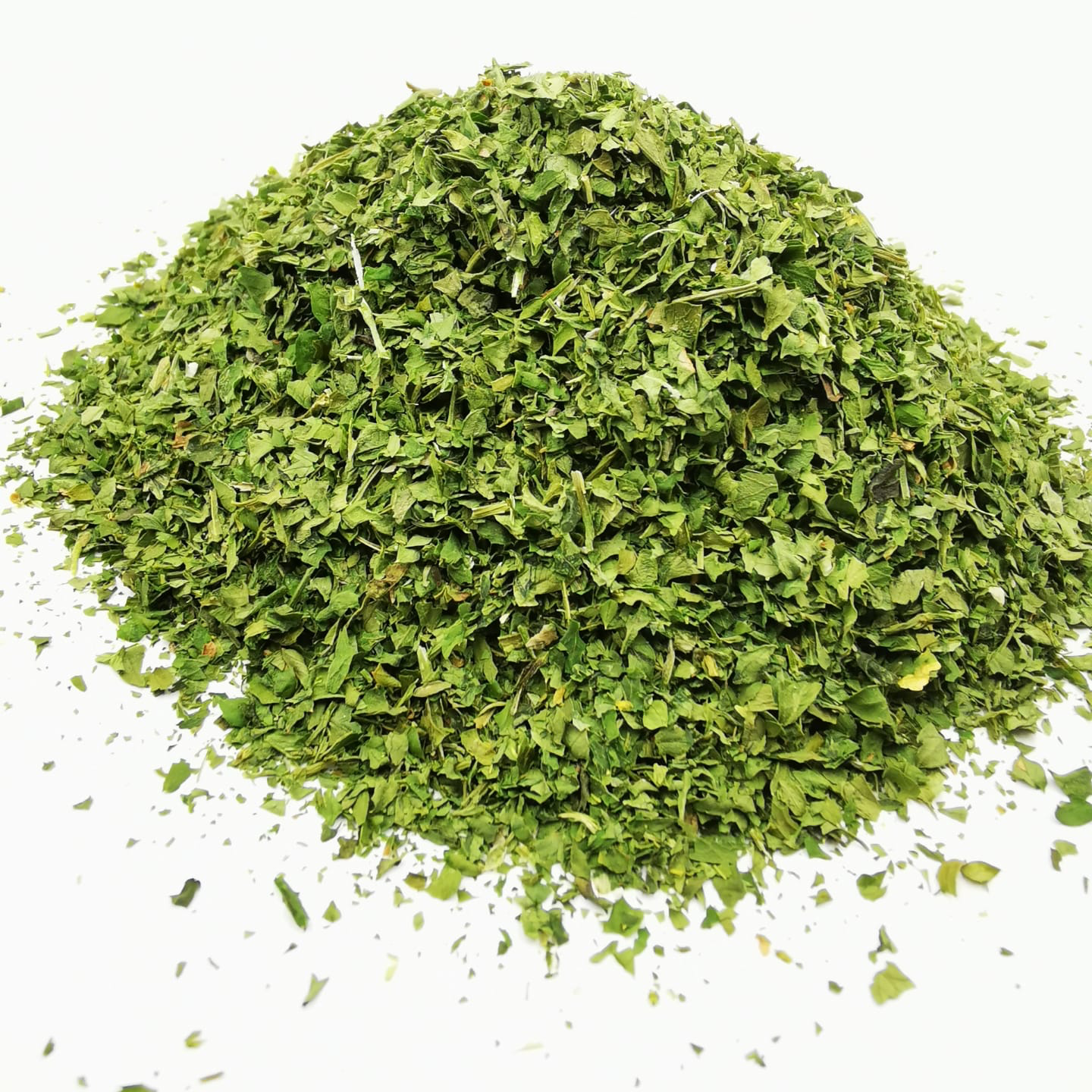
Yes, but use fresh herbs differently: they burn faster and taste less concentrated. Use about three times as much fresh as dried. You can put fresh thyme or rosemary in the oven with the vegetables, but add soft herbs such as parsley, mint and coriander only after grilling.
For a main course, choose a spice mix with character, such as Za'atar, and complete the plate with something filling. Think of grilled cauliflower, eggplant and carrots with chickpeas or couscous on the side. Sprinkle with roasted sesame seeds and a squeeze of lemon to make it feel like a full meal.
A fresh yogurt dip is the best match. Stir Greek yogurt or sour cream with lemon juice, some garlic and finely chopped mint. The cool, tangy note balances the warmth of cumin and paprika. For a vegetarian option, you can use hummus or a drizzle of olive oil with lemon and parsley.
In the oven, allow about 20 to 25 minutes at 200 degrees for zucchini, peppers and mushrooms, and 30 to 40 minutes for carrots, cauliflower and sweet potato. On the BBQ, it cooks faster: thin slices are ready after 8 to 12 minutes. Prick with a fork: if the vegetables are tender and browned, they are cooked.
This is possible with firm vegetables such as carrots, cauliflower and sweet potato. Mix them with oil and spices, cover them and put them in the refrigerator so the flavor can soak in. It is better to season soft, watery vegetables such as zucchini only on the day itself, otherwise they will lose moisture and become soggy.
Written by
Youssef Abou Allal, Founder at Moroccan Spicy Secrets
Youssef Abou Allal is the founder of Moroccan Spicy Secrets in Antwerp. The brand was born from the desire to bring the flavors of Moroccan family cooking to the table at home in a simple and practical way. Inspired by his family's cuisine, Moroccan Spicy Secrets developed spice mixes that help home cooks prepare both Moroccan classics and simple everyday dishes with great flavor. On the recipe blog, Youssef shares practical recipes, cooking ideas, and applications for herbs and spices.
LinkedIn Which herbs for potatoes from the oven? The tastiest combinationsWhich herbs for potatoes from the oven? Discover the tastiest combinations with cumin, paprika, turmeric and thyme, plus how much and when to season.
 Which herbs for salmon from the oven? Best combinations with a Moroccan twistWhich herbs for salmon from the oven? Discover Moroccan combinations with cumin, paprika, turmeric and lemon, plus a quick way with ready-made spice mixes.
 Cauliflower from the oven herbs: the best spices for roasted cauliflowerWhich herbs suit cauliflower from the oven? Ras el hanout yellow, Za'atar, fennel seeds and five-spice powder: what suits what and when to add them.
 Which herbs for chicken? The best combinations and practical tipsWhich herbs for chicken? Discover which herbs suit each preparation (oven, tagine, grill, curry), when to add them and which spice mix you can use.
 Which herbs for lamb? Best combinations for leg, chops and stewWhich herbs suit lamb? Discover the best combinations for lamb leg, lamb chops and lamb stew, with dosage, timing and the right Moroccan…

