


Zoete aardappel kruiden: welke smaken passen er het beste bij?
Welke kruiden passen bij zoete aardappel? Warme en pittige smaken zoals ras el hanout, komijn, paprika en tijm, per bereiding uitgelegd voor oven, puree en tajine.

Quick answer
For roasted cauliflower, use a warm spice mix in oil, such as Ras el hanout geel from Moroccan Spicy Secrets, and optionally Za'atar after roasting. First mix the spices with oil, roast the florets until well browned, and only sprinkle fresh herbs over them at the end.
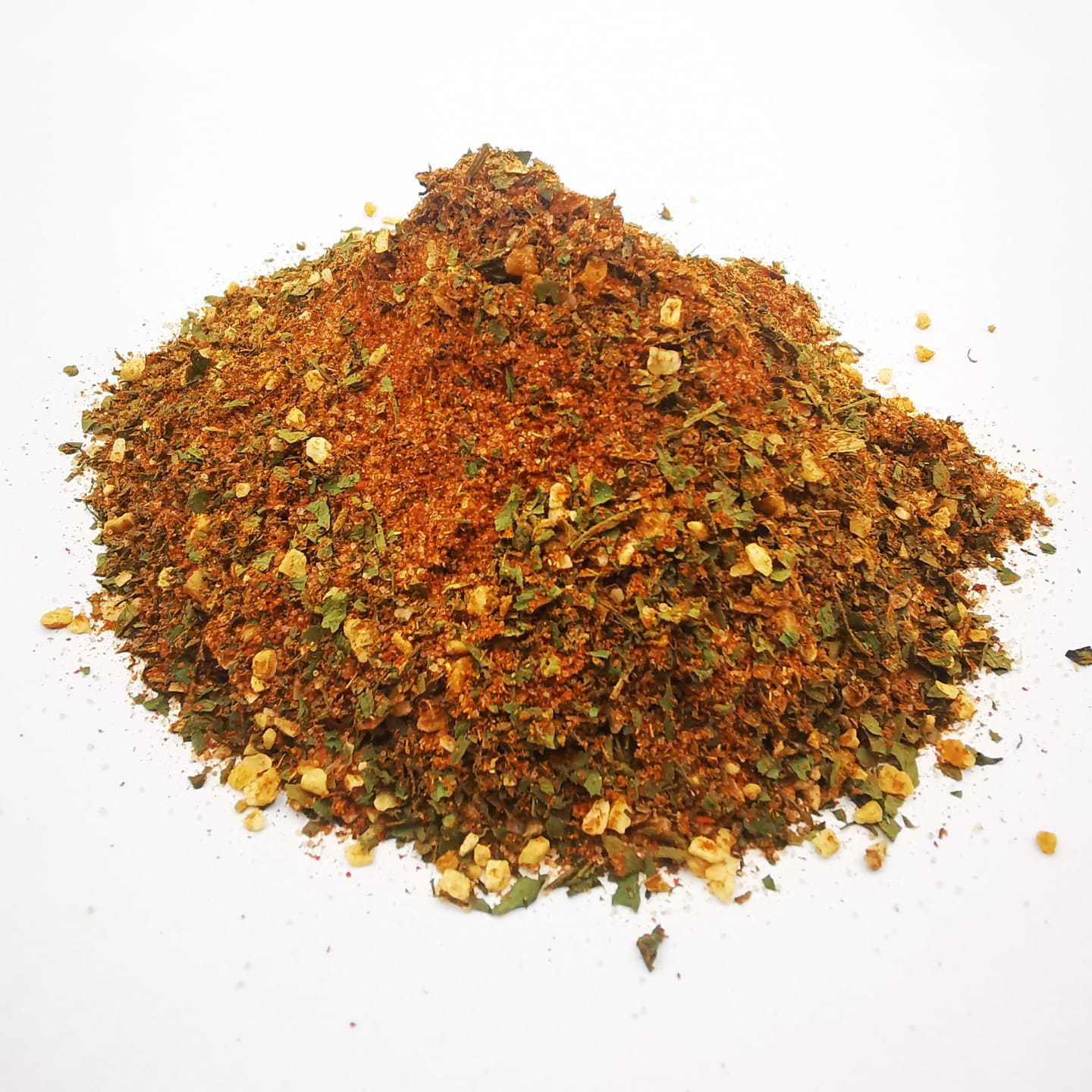
 Ras el hanout geel
That is exactly why it is such a good carrier for spices, but also why roasted cauliflower with only salt and pepper quickly becomes boring. The difference lies in which spices you choose and when you add them.
The answer depends on what you want to do with it. As a side dish with a Moroccan meal, it requires something different than as a main course with bread and a dip.
Below I go through the options one by one: what each mix does, how to use them, and when they belong in the oven or on the cauliflower afterwards. This way, you won't need to guess for your next tray in the oven.
Roasted cauliflower fits best with a warm spice mix, and Ras el hanout geel is the easiest choice. Cauliflower tastes mild on its own, so a mix with a pronounced aroma and a yellow color immediately gives the florets character.
Cauliflower absorbs spices well for two reasons. The neutral taste clashes with nothing. Because of this, the outside colors beautifully brown in the oven and the flavor is everywhere.
These are the four options I elaborate on below:
Each option requires a different moment in the preparation process. That is why I will go through them separately.
You use Ras el hanout geel as a base seasoning on the raw florets before you put them in the oven. According to the product description, Ras el hanout geel gives color, aroma, and flavor to meat, rice, and tajines. On cauliflower, it works just as well, because the florets absorb the yellow color and warm aroma well.
Read the exact ratio on the current product page or on the packaging and convert it to the amount of cauliflower you use. I don't draw a fixed rule per cauliflower from there, because how much goes on a head depends on the size.
This is how you do it:
Finally, check the ingredients list to see if there is already salt in the mix. Only then do you decide whether to add more salt, and do not write down a composition that you do not find on the page or packaging.
 Za'atar
Ground warm spices go on the cauliflower before roasting, mixed with oil, while Za'atar, lemon, and fresh herbs come only after roasting. This way, the warm spices color along and the fresh flavors remain intact.
Oil is the carrier in this: it ensures that the spices stick to the cauliflower and do not burn dry on the baking sheet.
Za'atar works better as a finish. You can mix Za'atar with olive oil or sprinkle it over roasted vegetables, as the product description indicates. The sesame and the spices thus stay fresh.
Work in three steps: first oil and spice, then roast until the florets are well browned, and finally finish on the plate.
Step-by-step guide for roasted cauliflower
| Moment | What do you add | Why |
|---|---|---|
| Before roasting | Oil with Ras el hanout geel or 5 chinese spices | The spices stick to the florets and color along |
| Before roasting | Crushed Fennel seeds, briefly roasted in a dry pan | The aroma is released |
| After roasting | Za'atar with olive oil | The sesame and spices stay fresh |
| At the table | Lemon or fresh herbs | Fresh finish |
Fennel seeds and 5 chinese spices give roasted cauliflower a different flavor profile than a Moroccan mix: the first sweet and anise-like, the second warm and spiced.
Fennel seeds have, according to the product description, a subtle, sweet anise flavor. Roast the seeds briefly in a dry pan and crush them, then the aroma is released. Sprinkle them over the florets that have already been rubbed with oil, or work them through after roasting. This way you get a fresh cauliflower that fits well with a plate of bread and yogurt.
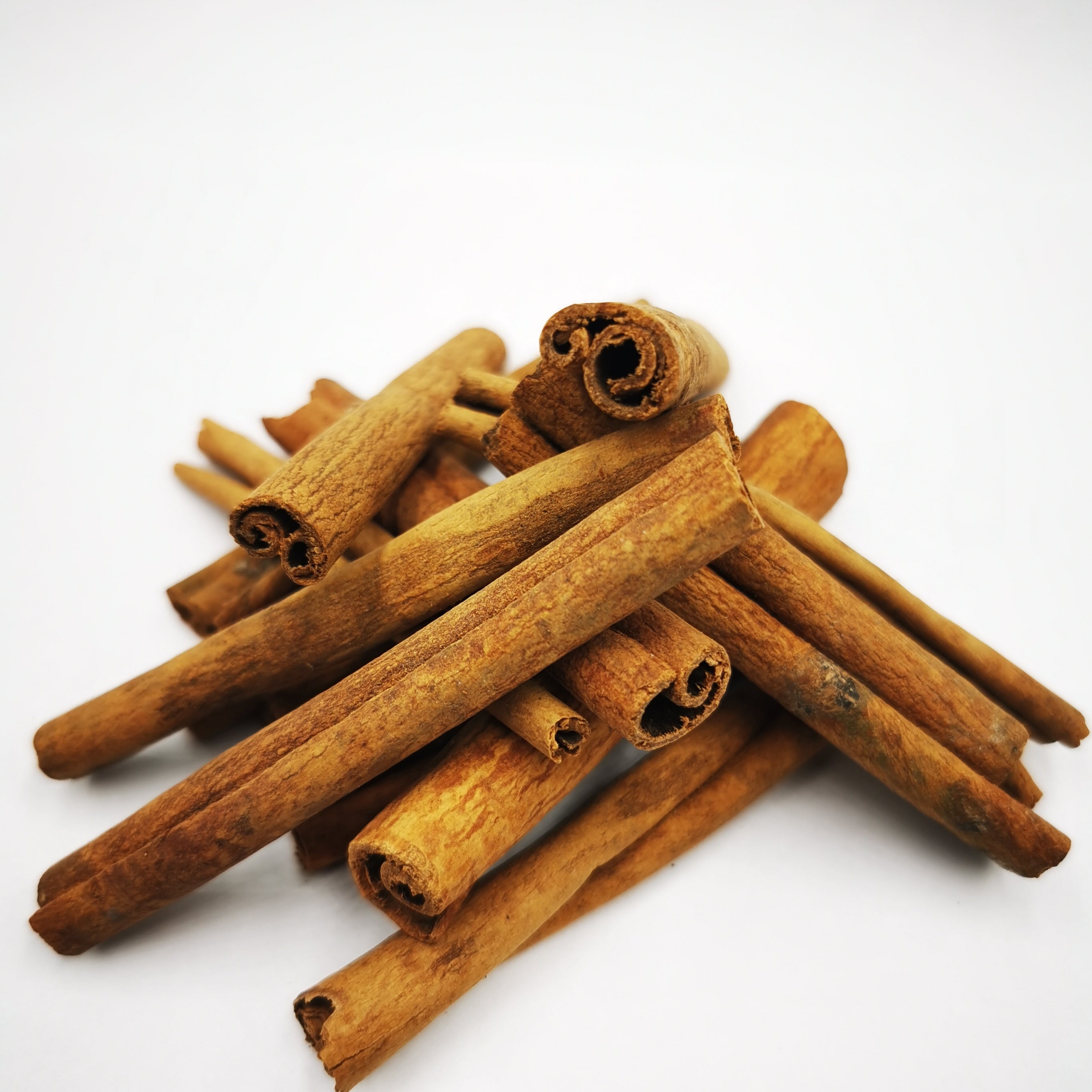
5 chinese spices is five-spice powder, a warm mix of cinnamon, ginger, nutmeg, cloves, and black pepper. That makes the mix useful if you want to put the cauliflower in an Asian direction, for example with rice and some soy sauce next to it.
Do not use both as a replacement for each other in the same amount. Each mix has its own strength, so always take the dosage from the product page of that mix and preferably start with less. Taste after roasting and sprinkle a little more if necessary.
If you are looking for general combinations for other vegetables from the oven or from the BBQ, check out our article about spices for grilled vegetables.
Spices for roasted cauliflower in comparison
| Spice or mix | Flavor profile | When to add | Fits with |
|---|---|---|---|
| Ras el hanout geel | Warm, with a yellow color | Before, mixed with oil | Moroccan side dish |
| Za'atar | Oregano, sumac, and sesame seeds | After roasting, or mix with olive oil | Main course or cauliflower with bread and dip |
| Fennel seeds | Subtly sweet, anise-like | Before or after, first roast briefly and crush | Light dish with yogurt or lemon |
| 5 chinese spices | Cinnamon, ginger, nutmeg, cloves, and black pepper | Before in the marinade | Asian twist with rice or noodles |
If you want a warm, familiar flavor, start with Ras el hanout geel in oil and roast the cauliflower until well browned. That is the choice I let you start with, especially if the cauliflower comes to the table next to a Moroccan dish.
If you serve the cauliflower as a main course with bread or a dip, choose Za'atar as a finish. Only take fennel seeds or 5 chinese spices if you consciously want to go in a different direction than Moroccan.
If you are cooking tomorrow, first read the product page of the mix you choose. There is the dosage, and there you see if there is already salt in it.
Go through this before you put the cauliflower in the oven:
Yes, you can, and it gives a pure, mild cauliflower. If you still want a bit more character, replace the pepper with a warm mix or finish with a spice mix after roasting. The most important thing remains that you rub the florets with oil and let them become well browned.
First, mix the spices with oil and rub them into the florets, as loose dry spices burn more easily on the baking tray. Also spread the florets out separately on the tray so they don't stick together and the spices are evenly coated with oil. If you see the spices darkening before the cauliflower is brown, the oil was too little or the florets were too wet when rubbing them in.
Yes, if you use them at different times. Roast the cauliflower with yellow Ras el hanout in oil and sprinkle Za'atar over it after roasting, optionally with some olive oil. This way, the warm base continues to cook in the oven and the sesame retains its fresh finish. Don't mix them beforehand in a single marinade, as you'll end up with two strong flavors mixed together.
Taste the cauliflower after roasting before adding salt. This applies to each mix: what works for one may not work for the other.
Yes, you can rub the florets with spices and oil and let them sit for a while before putting them in the oven. I don't have a fixed marinating time in the product descriptions, so keep it short and store the rubbed cauliflower in the refrigerator if it has to wait longer than a few minutes. Keep Za'atar, lemon and fresh herbs aside until the end.
Written by
Youssef Abou Allal, Founder at Moroccan Spicy Secrets
Youssef Abou Allal is the founder of Moroccan Spicy Secrets in Antwerp. The brand was born from the desire to bring the flavors of Moroccan family cooking to the table at home in a simple and practical way. Drawing inspiration from his family's cuisine, Moroccan Spicy Secrets developed spice mixes that help home cooks prepare both Moroccan classics and simple everyday dishes with great flavor. On the recipe blog, Youssef shares practical recipes, cooking ideas, and applications for herbs and spices.
LinkedIn Which herbs for potatoes from the oven? The tastiest combinationsWhich herbs for potatoes from the oven? Discover the tastiest combinations with cumin, paprika, turmeric and thyme, plus how much and when to season.
 Which herbs for grilled vegetables? The best combinations for the oven and BBQWhich herbs for grilled vegetables? Discover the best herb combinations for each vegetable in the oven and on the BBQ, when to add them, and how to prevent burning.
 Which herbs for salmon from the oven? Best combinations with a Moroccan twistWhich herbs for salmon from the oven? Discover Moroccan combinations with cumin, paprika, turmeric and lemon, plus a quick way with ready-made spice mixes.Everything I make tastes bland: how to add more flavor to food with spicesDoes your food taste bland? Discover what goes wrong with spices: the timing, the form, and the combination. With practical steps and mixes from Moroccan Spicy Secrets.
 Adding flavor to food without salt: 7 spices for more flavorAdding flavor to food without salt? Discover 7 spices that replace salt, when to add them, and which mixes from Moroccan Spicy Secrets save you time.

