


Zoete aardappel kruiden: welke smaken passen er het beste bij?
Welke kruiden passen bij zoete aardappel? Warme en pittige smaken zoals ras el hanout, komijn, paprika en tijm, per bereiding uitgelegd voor oven, puree en tajine.


Quick answer
You can flavour white rice by first frying the spices in oil or butter for half a minute and only then adding the washed rice and water. At Moroccan Spicy Secrets, an Antwerp spice brand, we use cumin, turmeric or a mix such as Tikka Masala or Tajine Mix, tailored to the dish you are serving it with.
 5 Chinese spices
I often get this question: the chicken is seasoned, the sauce tastes good, but the rice served alongside is plain and bland. It doesn't have to be. Rice absorbs flavour easily, as long as you add the spices to the pan at the right time.
Below you will find out when to add the spices, which individual spices work best and which mix suits which dish. We also cover the right amount to use and what you can do on weekdays when you are short on time.
You don't need to use a separate pan or prepare it any differently. It only takes a few steps in the same pan you are already cooking the rice in.
Add spices for white rice at the beginning: fry them briefly in oil or butter, then add the rice and only then pour in the water. This allows the flavour to infuse into the grains instead of sitting on top of the rice.
This works because many flavourings in spices dissolve better in fat than in water. When you heat the spices in oil first, the flavour spreads throughout the pan. Every grain gets its share.
Here is how to do it:
The most common mistake is sprinkling spices over cooked rice. They then remain as a separate layer on the rice and taste powdery.
If you use a ready-made mix, follow the recommended amount on the packaging. This varies depending on the mix, so never use the same amount as you would for a different mix.
Cumin, turmeric, bay leaves, cloves and saffron are the individual spices that suit white rice best. Each has its own time in the pan, and that timing determines how much of its flavour you taste.
Cumin powder or cumin seeds provide a warm, earthy base. Fry the seeds whole in the oil and briefly stir the powder through.
Turmeric gives a yellow colour and a mild flavour. You can find more information about this spice at NCCIH. Cook bay leaves and cloves whole and remove them from the pan after the rice has cooked.
Steep 1 gram of Negin Saffron in a little warm water first. This gives you yellow rice with a floral aroma.
Pay attention to the salt. Many spice mixes already contain salt, so read the ingredients list before adding any extra. Individual spices such as cumin or turmeric do not contain salt.
Individual spices for rice: when and how to add them
| Spice | When to add | How to use it |
|---|---|---|
| Cumin powder | Fry in oil first, then add the rice | Fry for half a minute until fragrant |
| Turmeric | Fry with the onion | Adds colour and a mild flavour |
| Negin Saffron 1 gram | Steep beforehand, add with the water | Steep first in a little warm water |
| Bay leaves | Cook whole | Remove after the rice has cooked |
| Cloves | Cook whole | Remove after the rice has cooked |
 Turmeric
Choose the spice mix for your rice based on the main dish: Tikka Masala or Tandoori for chicken, Tajine Mix for fish or scampi, Satay Spices for Indonesian-inspired dishes and 5 Chinese Spices for stir-fries. This way, the rice will complement what else is on the table.
For chicken in a yoghurt sauce, choose Tikka Masala. The product description mentions the mix in combination with yoghurt and chicken pieces, served with a portion of rice. If there is grilled or fried chicken on the plate, choose Tandoori, which according to the description suits chicken dishes best.
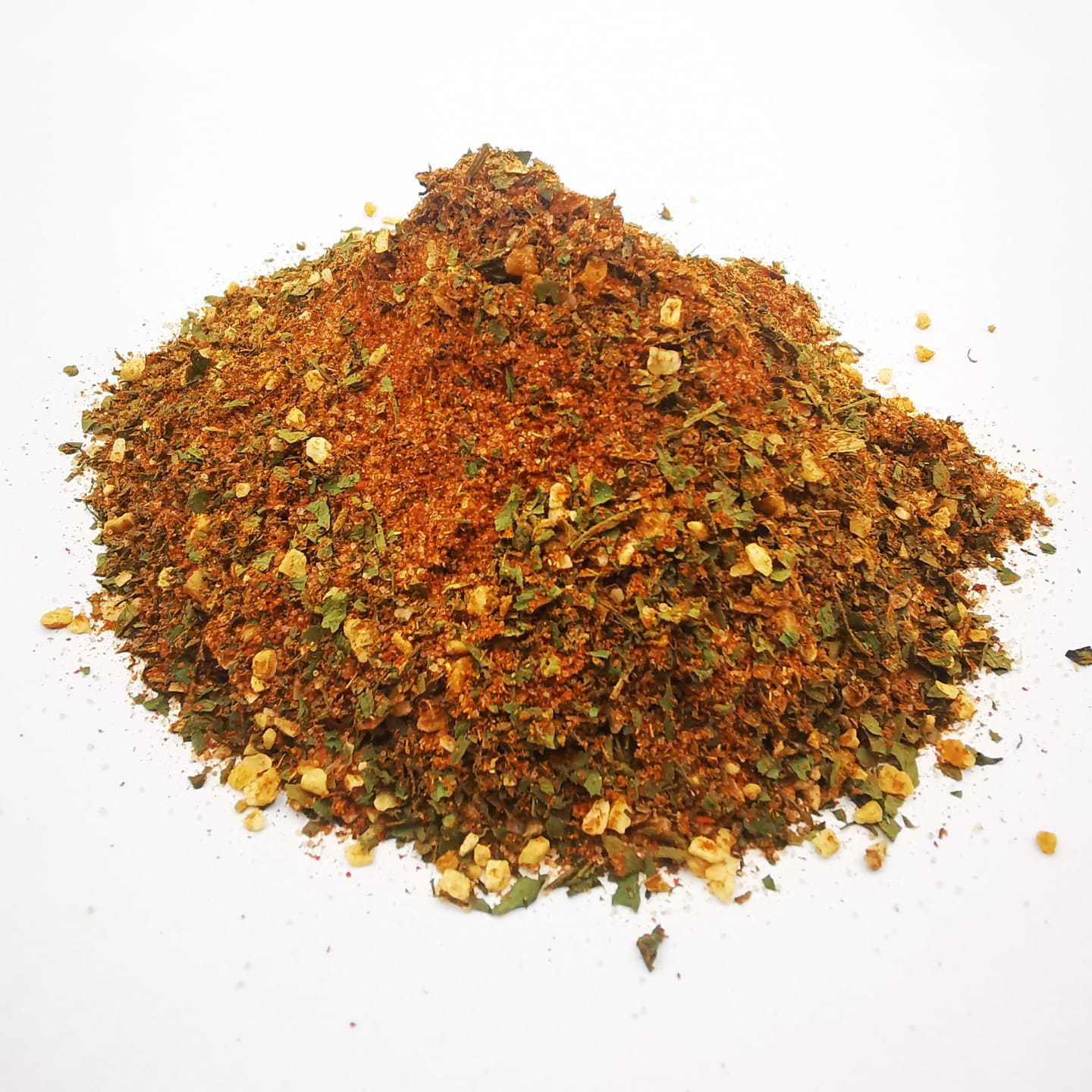
For fish, scampi or meatballs in tomato sauce, the Tajine Mix is a good match, with paprika, cumin, turmeric and pepper. The flavours complement the sauce and make the rice a natural part of the meal.
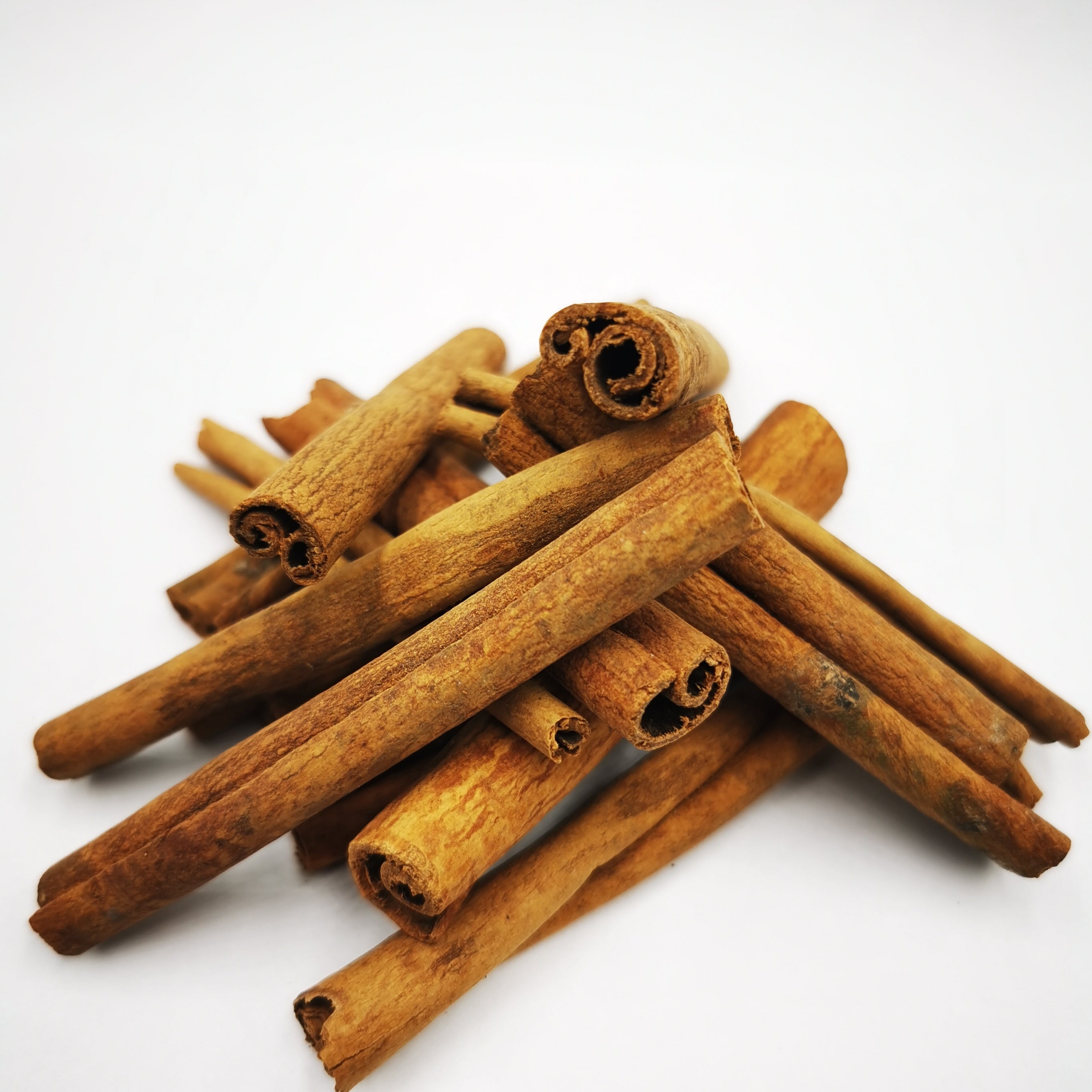
For Indonesian-inspired dishes, Satay Spices with ginger, lemongrass and coriander work well. For a stir-fry, choose 5 Chinese Spices, with cinnamon, ginger, nutmeg, cloves and black pepper.
Keep the flavour of the rice milder than that of the main dish. This way, the dish served alongside will remain the star and the rice will complement it.
| Spice mix | Suits | Flavour profile |
|---|---|---|
| Tikka Masala | Chicken in yoghurt sauce, rice as a side dish | Warm and creamy |
| Tandoori | Grilled or fried chicken, rice served alongside | Indian and spicy |
| Tajine Mix | Fish, scampi or meatballs in tomato sauce | Paprika, cumin, turmeric and pepper |
| Satay Spices | Dishes with Indonesian flavours | Ginger, lemongrass and coriander |
| 5 Chinese Spices | Stir-fries with vegetables or meat | Cinnamon, ginger, nutmeg, cloves and black pepper |
Start simple: fry cumin and turmeric in oil, stir in the rice and then add the water. This gives you rice that already has some flavour, without needing a mix.
If there is a distinctive main dish on the table, choose a mix that complements it, such as Tikka Masala for chicken or Tajine Mix for fish. If the main dish itself is strongly seasoned, leave out the mix and cook the rice with only bay leaves and salt. This keeps the plate balanced.
Before you start, take the packaging of your mix and read the recommended amount and the ingredients list. Then everything goes into one pan.
Go through this list before putting the pan on the heat:
Yes, but you use a different technique: stir the spices together with a knob of butter or a splash of oil through the hot, cooked rice. The fat distributes the flavor better than dry powder. Use as little as possible and taste after every pinch, because the spices are not cooked and will taste sharp or raw more quickly. Fine herbs such as dried parsley or a little mint work best here.
Keep the rice light with fish: a pinch of turmeric, a sprig of thyme and some lemon zest are enough. Heavy mixes quickly overpower the fish. Do not fry the spices for too long, half a minute is enough. If you want the rice to complement a spiced tomato sauce with fish, use the Tajine mix for that sauce and leave the rice almost neutral.
Use turmeric: fry half a teaspoon with the onion and the rice, and the grains will color evenly yellow. The color is then comparable, but the taste is earthier and less floral than with saffron. Turmeric also stains plastic and light countertops, so work with a wooden spoon and wipe spills away quickly.
Yes, they may be in the pan during cooking, but remove them before serving. Bay leaf and whole clove remain hard and are unpleasant to bite. A clove is also very powerful: one or two whole ones are enough for a pan of rice. Note down how many you put in, then you can easily find them after cooking.
The difference is mainly in the preparation. You cook rice with water and a lid in the pan, so you fry the spices along with it in fat beforehand. Couscous is steamed or hydrated with hot water, and you usually work the spices through the grains after soaking, together with butter or oil. The flavor palettes overlap heavily. Cumin and turmeric go well with both, and raisins belong with couscous more often than with rice.
Written by
Youssef Abou Allal, Founder at Moroccan Spicy Secrets
Youssef Abou Allal is the founder of Moroccan Spicy Secrets in Antwerp. The brand was born from the desire to put the flavors from the Moroccan family kitchen on the table at home in a simple and practical way. With inspiration from his family's kitchen, Moroccan Spicy Secrets developed spice mixes that help home cooks prepare both Moroccan classics and simple everyday dishes deliciously. On the recipe blog, Youssef shares practical recipes, cooking ideas, and applications for herbs and spices.
LinkedIn Everything I make tastes bland: how to give food more flavor with spicesDoes your food taste bland? Discover where it goes wrong with spices: the timing, the form, and the combination. With practical steps and mixes from Moroccan Spicy Secrets.Bringing food to taste without salt: 7 spices for more flavorBringing food to taste without salt? Discover 7 spices that replace salt, when you add them, and which mixes from Moroccan Spicy Secrets save you time.
 Giving ground meat flavor: the best spices without packets or bagsGiving ground meat flavor without packets or bags: which spices you need, how much you use, when you add them, and how you fry safely.
 Spices for couscous: which spices give couscous really more flavor?Which spices give couscous really more flavor? You read in which layer you use which spices, when you add them, and which mixes make the work easier…
 Moroccan chicken spices: which spices give chicken that authentic flavor?Which spices give Moroccan chicken that authentic flavor? Basic spices, three classic dishes, the right moment to season, and which mix you choose.

